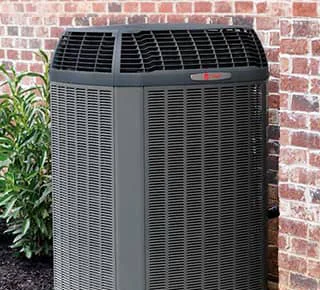

Salt air is relentless. If your outdoor unit lives within a few miles of the coast, you already know what rust does to fasteners, cabinets, and coil fins. The right protection plan pays off, not just in extra years of life, but in stable efficiency and fewer mid-summer service calls. Here is a practical roadmap for coastal homes, based on what actually holds up for air conditioning systems and heat pumps in salty environments.
Why Coastal Units Fail Faster
Sea spray carries salt crystals that stick to warm metal surfaces. Add morning dew, bright sun, and wind, and you get a daily cycle of wetting, drying, and abrasion. Over time, you see:
- Fins that pit and crumble, which chokes airflow.
- Base pans that rust through and trap water.
- Electrical lugs and fasteners that seize or break during routine service.
- Refrigerant leaks at corroded copper-to-aluminum joints.
Stopping that cycle is about three things: protective coatings that really adhere, elevated stands that limit exposure and flood risk, and a service interval that cleans, rinses, and inspects before damage snowballs.
Coil And Cabinet Coatings That Actually Work
Not all coatings are created equal. Here is what holds up and where it fits.
Factory-applied coil coatings
Many manufacturers offer factory e-coat or polymer coatings for coils. These cover aluminum fins and copper tubes evenly, preserve heat transfer better than thick field coats, and resist UV. If you are buying new equipment for a coastal home, this option is worth pricing in.
Field-applied polymer or epoxy systems
Quality field coatings can protect older units when done correctly. The keys are surface prep, uniform thickness, and compatible chemistry that does not insulate the coil. Light, even coats on clean, dry fins, with proper cure time, beat thick, sticky layers that block airflow.
Cabinet and hardware protection
Cabinet panels take a beating from sun and salt. A UV-stable topcoat on cleaned, primed metal slows rust. Upgrading to stainless or coated fasteners and weatherproof electrical whips makes future service easier, because bolts and lugs do not snap when a technician tries to remove them.
What to avoid
Avoid heavy paint on the coil face, acidic cleaners that strip protective layers, and quick “shine” sprays that attract grit. Anything that adds resistance to airflow or traps salt on the fins will cost you efficiency.
Elevated Stands: More Than Flood Insurance
An elevated stand does three jobs. It raises the condenser above wind-blown sand and standing water, it reduces direct salt splash, and it gives service access that keeps the coil clean.
Height and materials
In coastal zones, a sturdy aluminum or composite stand is ideal. Height depends on site risk, but 18 to 36 inches is common to clear splashing and allow easy rinsing. Use corrosion-resistant anchors and hardware, and keep the unit level so oil returns correctly inside the compressor.
Airflow and clearance
Do not crowd the unit. Keep two feet of open space on all sides and five feet above where possible. Avoid facing the coil directly into prevailing onshore winds if you can rotate it during install. The less direct salt blast the coil sees, the longer it lasts.
Pads and drainage
A sloped site that channels rain under the stand is a recipe for a rusty base pan. Grade for drainage, keep vegetation back, and avoid rock mulch up against the cabinet, which can trap salt dust.
Service Intervals That Pay Off On The Coast
Set a schedule and stick to it. The calendar matters as much as the product.
Monthly or biweekly during peak salt season
- Freshwater rinse of the coil with a gentle hose stream, no pressure washer.
- Quick visual check for debris, palm fronds, and grass clippings.
This quick rinse dilutes salt before it cakes.
Quarterly
- Low-alkaline coil cleaner rated for coated coils, applied per label, then a thorough rinse.
- Inspect base pan paint, cabinet seams, whips, and conduit for wear.
- Light corrosion touch-up on fasteners and cabinet scratches.
Semiannual professional service
- Clean coil from the inside out, confirm no coating lift or blistering.
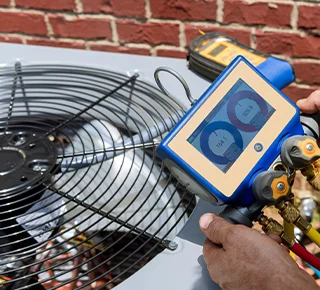
- Electrical test under load: capacitors, contactor, fan motor amps, compressor amps.
- Inspect line insulation, tighten grounds, verify short-cycle protection.
- Record static pressure, temperature split, and general performance baseline.
After major storms
- Clear debris, confirm the unit is still level, and rinse salt residue.
- If the unit sat in standing water, keep it off until a technician inspects electricals and bearings.
Freshwater Rinsing Done Right
A gentle hose stream from the top down and inside out moves salt off fins without folding them over. Avoid jet nozzles. If you see white residue even after rinsing, schedule a proper clean. The goal is clean metal with intact coating, not shiny fins that have lost their protective layer.
Hardware, Whips, And Small Parts That Make A Big Difference
- Stainless or coated fasteners reduce seized screws during future service.
- UV-rated whips and weatherproof disconnect covers protect low-voltage and high-voltage wiring.
- Non-metallic stand feet or isolators keep dissimilar metals from reacting at anchor points.
- New base pans or pan liners for units with early rust, so water actually drains instead of pooling.
The small stuff is what lets a technician maintain a unit yearly without breaking parts each time.
Placement Tips For Coastal Homes
- Keep sprinkler heads from hitting the condenser. Reclaimed water accelerates corrosion.
- Avoid tucking units under decks that trap salt air and block vertical exhaust.
- If you have a pair of condensers, leave space between them so hot discharge air from one does not feed the other.
- Plant hedges far enough back that you can rinse and service without snagging fins.
How Corrosion Erodes Efficiency And Shortens Life
Corrosion thins fins and widens the gap between fin and tube, which lowers heat transfer. The system runs higher head pressure, the condenser fan works harder, and the compressor runs hotter. That combination raises your power bill, strains parts, and shortens compressor life. Protecting the coil is not just cosmetic, it is electrical and mechanical insurance.
Owner Checklist For The Season
- Gentle rinse every 2 to 4 weeks.
- Keep two feet of clearance on all sides, five feet above.
- Replace any torn or missing line insulation.
- Note unusual fan noise, vibration, or hot electrical smells.
- Schedule semiannual service before peak heat, and again in fall.
When Is It Time To Recoat Or Replace
Recoat
If the coil is structurally sound, with minor pitting and intact fins, a prep-and-coat can extend life several seasons. Recoat after a deep clean and thorough dry, then let it cure fully before restart.
Replace
If fins crumble under a soft brush, if leaks show at tube sheets, or if the base pan has holes that pool water, plan replacement. Match the new unit with factory-coated coils, stainless hardware, and an elevated stand so you start fresh the right way.
Frequently Asked Questions
How often should I rinse a coastal condenser?
Every 2 to 4 weeks during peak salt conditions, and after big wind events that drive spray inland.
Can I pressure wash my condenser coil?
No. Even light pressure can fold fins, drive grit into the coil, and strip protective coatings.
Do factory-coated coils really hold up better?
In my experience, yes. Even, thin coverage with tested chemistry beats thick field-applied paint on raw fins.
Will coatings hurt efficiency?
Not when applied correctly at the proper thickness. Over-application, or the wrong product, can insulate the coil and raise head pressure.
What stand height should I choose near the coast?
Enough to clear splash and provide service access, typically 18 to 36 inches, with corrosion-resistant anchors and hardware.
Is stainless hardware worth the upgrade?
Yes. Service goes faster, parts do not snap, and cabinets stay tighter over time.
The Bottom Line
Coastal HVAC protection is not a single product, it is a routine. Choose coatings that preserve heat transfer, elevate the unit out of splash and flood risk, and keep a rinse-and-service schedule that clears salt before it becomes corrosion. Do this, and your power bill stays steadier, your equipment runs cooler, and the replacement clock slows down.
Call To Set Up Your Coastal Protection Plan
If you want a coastal package with coil protection, an elevated stand, and a service calendar that sticks, call to schedule an on-site estimate. We can pair the right coating with the right stand height, set the rinsing and cleaning cadence, and document baseline readings so you know the plan is working. Florida Air, Inc. will set up the visit and follow through so your coastal system lasts longer and runs at design pressures.