
I have put in and serviced both styles for decades. Sometimes a traditional ducted system is the right call. Other times, a ductless setup solves problems a ducted system never could. The trick is matching the equipment to the way you live, the way your home is built, and the rooms that give you trouble. Here is a straight, practical comparison to help you decide with confidence.
The Core Difference
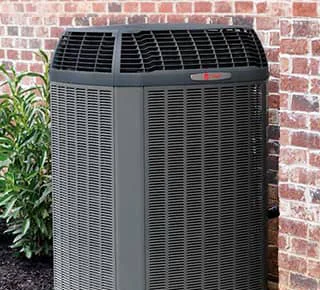
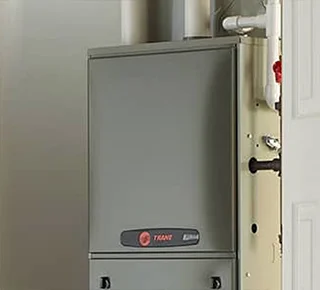
A ducted system uses a central indoor unit to push conditioned air through supply ducts to each room and pulls air back through one or more returns. A ductless system uses small indoor units placed in the rooms that need comfort, each connected to an outdoor unit by refrigerant lines. No large duct network is required.
Where Ducted Shines
Whole-home comfort with one set of controls
If your ducts are right-sized and sealed, a ducted system gives even temperatures from room to room with a single wall thermostat running the show. Good for families that want one simple schedule.
Hidden equipment, clean look
Most of the hardware lives in the attic, garage, or a closet. Rooms get low-profile grilles instead of wall cassettes. If you care about clean lines on your walls, this matters.
Easy filtration and central dehumidification options
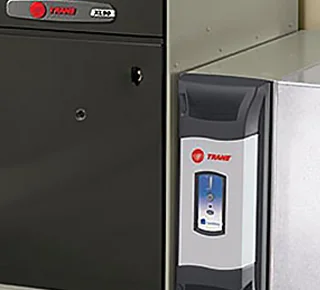
A tight filter cabinet on the return lets you use deeper, high-quality media. Paired with proper airflow, you get better protection for the coil. This is also the path for adding whole-home accessories later.
Fits existing ducted homes
If your home already has a supply and return network, a modern ducted system with corrected returns and straightened flex can be the most cost-effective upgrade.
Tip: Ducted systems depend on healthy returns and a balanced duct layout. If your far bedroom lags, the answer might be a return upgrade and static pressure fix, not a brand-new system.
Where Ductless Shines
Room-by-room control
Each indoor head has its own set point. That makes bonus rooms, sunrooms, and finished garages easy to tame without overcooling the rest of the house.
Retrofit friendly
No space for big ducts, no problem. Older homes, additions, and guest suites are classic ductless wins because you avoid tearing up finished ceilings.
Efficiency in partial-use spaces
If you only use a home office during the day, a single ductless head lets you cool just that room. You are not paying to move air through a whole house when you do not need it.
Zonal redundancy
If one indoor unit needs service, the others keep running. With ducted, one failure can take the whole house down until it is fixed.
Note: When folks ask for “a mini split for the hot room,” they are usually talking about ductless systems as a targeted solution.
Comfort: Evenness, Humidity, and Noise
Ducted
- Evenness: Excellent when ducts and returns are correct. Poor if static pressure is high or runs are crushed.
- Humidity: Strong, especially with longer cycles and correct blower settings.
- Noise: Very quiet at the grilles when the blower and ducts are matched.
Ductless
- Evenness: Excellent per zone. Rooms without a head depend on door position and airflow paths.
- Humidity: Very good when sized correctly. Each head wrings moisture in its zone.
- Noise: Indoor heads are quiet on low and medium fan. On high, you will hear airflow in the room with the head.
Energy Use and Efficiency
Both styles can be very efficient, but real-world bills depend on sizing and run time.
- Ducted systems lose efficiency when ducts leak or static pressure is high. Seal returns, straighten flex, and use a deep media filter to keep blower watts down.
- Ductless systems are efficient for partial-use spaces and homes that want different temperatures by zone. Oversizing can cause short cycles and humidity drift, so do not chase bigger on paper.
Installation Costs and What Drives Them
- Ducted: Lowest cost when you are reusing a solid duct network with minor corrections. Costs climb with return upgrades, new supply trunks, or extensive attic work.
- Ductless: Competitive for single-zone projects and additions. Multi-zone installs require more line sets, condensate routing, and control setup, which adds labor.
Maintenance and Service
- Ducted: Change filters on schedule, keep returns sealed, clean the evaporator and drain yearly, and wash the outdoor coil. Easy to maintain if access is good. This is where your air handlers matter; keep them clean and sealed and the whole system behaves.
- Ductless: Clean each head’s washable filters monthly in peak season, and schedule pro cleanings for the blower wheel and drain pans. Outdoor coils still need gentle rinsing.
A Quick Decision Guide
Choose ducted when:
- You have a decent duct network that can be sealed and balanced.
- You want one thermostat and a clean, grille-only look.
- You plan to add whole-home accessories later.
Choose ductless when:
- You have one or two stubborn rooms, an addition, or a garage that needs true cooling.
- Your home lacks space for proper returns and supply runs.
- You want different temperatures by zone without fighting the main thermostat.
Common Mistakes To Avoid
- Guessing the size: Ducted or ductless, do a real load calculation. Guessing by square footage leads to short cycles and clammy rooms.
- Ignoring static pressure: On ducted jobs, measure it. If it is high, add return area, fix crushed runs, and install a deep media cabinet.
- Too few heads on multi-zone ductless: One wall head trying to cover a walled-off room will disappoint. Put the capacity where people sit and sleep.
- Poor condensate routing: Both systems need clean, properly trapped drains. A slow drain will show up as odors, pan overflow, or float trips during peak humidity.
Real-World Scenarios
The hot bonus room
Add a single ductless head sized for the load. Leave the main system alone. Comfort improves in an afternoon, and the rest of the house stops overcooling.
Older ranch with tired ducts
Right-size a new central system, add return capacity, seal the filter rack, and correct crushed flex. Keep your existing look, lower static, and get even temperatures.
Sunroom with glass on three sides
A dedicated ductless head wins. Central air rarely runs long enough to keep up with late-day sun in that space.
Whole-home remodel
If ceilings are open, consider a small, properly designed ducted system with multiple returns. If not, a multi-zone ductless layout can give you clean comfort with minimal disruption.
FAQs
Will ductless make my whole house comfortable?
It will make the rooms with indoor heads very comfortable. Rooms without heads will improve if doors are open and airflow paths are planned, but they will not match a full ducted distribution without additional heads.
Is ducted always cheaper to run than ductless?
Not always. A ducted system with leaky returns and high static can use more power than a right-sized ductless setup serving the spaces you actually occupy.
Can I pair both in one home?
Yes. Many families run a ducted system for main living areas and bedrooms, then use ductless for the office, garage gym, or sunroom that needs extra help.
How do I know if my ducts are the problem?
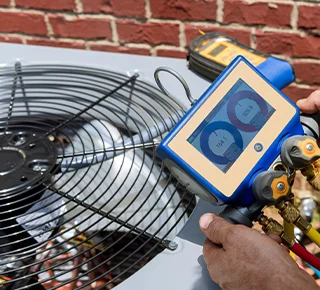
Measure external static pressure and inspect the returns. Whistling grilles, closed-off rooms, and crushed flex are clues. A quick test and a few corrections often change comfort in a day.
Will either option help with humidity?
Yes, when sized and set up correctly. Longer, steady cycles dry the air. Poor sizing or high static pressure will leave you chasing set points to hide humidity.
The Bottom Line
Pick the tool that fits your rooms, your routine, and the bones of your house. Ducted systems excel when ducts are healthy and you want whole-home comfort from a single control. Ductless shines for additions, problem rooms, and zoned comfort without tearing into ceilings. Get the load right, fix airflow, and you will feel the difference the first week.
Call For A Side-By-Side Estimate
If you want a side-by-side plan and price, with a real load calculation and an airflow check, call to schedule an in-home visit. We will outline a ducted path, a ductless path, and what each costs to install and operate, then you decide. Florida Air, Inc. will document the numbers and recommend the setup that hits your comfort and budget goals.