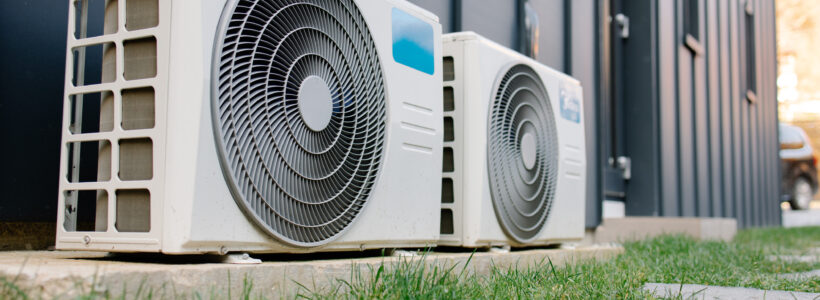
I have been in more Florida attics and closets than I can count, and I see the same problem again and again. Someone sold a unit that was a size too big, thinking more tons would make the home cooler. It does the opposite of what folks expect. Oversized equipment short cycles, leaves the air clammy, and runs up the power bill. Undersized equipment struggles on the hottest afternoons and never quite catches up. The sweet spot is a right-sized system that matches your home’s actual heat load, moves the correct amount of air, and runs steady, quiet cycles. That is where comfort and lower bills meet.
What “Right-Sized” Really Means
A right-sized system is not a guess or a rule of thumb. It is the result of a full load calculation that accounts for your square footage, insulation levels, windows, orientation to the sun, duct design, and the way your family uses the house. The goal is simple. The equipment should remove heat and moisture at the same rate your home gains it, with enough capacity for peak weather and enough control to run longer, gentler cycles the rest of the year.
Sensible vs latent load in plain English
Sensible load is the part you feel as temperature. Latent load is the moisture in the air. Florida homes have plenty of both. A system that only chases temperature can leave humidity high. A right-sized system balances the two so you feel cool and dry at the same time.
Why Bigger Costs More and Feels Worse
Short cycles that waste energy
An oversized unit slams the temperature down fast, then shuts off. The coil never stays cold long enough to pull much moisture out of the air. You feel cool for a few minutes, then clammy. The thermostat calls again, the unit starts again, and you pay for a pile of starts and stops. Startups draw more amps than steady operation, so the bill climbs while comfort swings.
Poor humidity control
Moisture removal needs run time. Quick bursts of cooling do not dry the house. When humidity stays high, most families drop the thermostat lower to feel the same comfort. Each degree lower adds to the bill. Right sizing lets the unit cruise and wring out moisture, so you can keep the thermostat a little higher and still feel crisp.
More wear and tear
Frequent starts are hard on capacitors, contactors, and compressors. Oversized units tend to need parts earlier and do not last as long. Steady cycles are easier on the whole system.
Noise and drafts
Big blowers moving too much air through small ducts create noise and cold blasts. A matched blower and duct system moves air smoothly and quietly.
Why Undersized Costs More and Feels Worse
Endless run time
If the unit is too small for your peak afternoon load, it never quite catches up. It runs hard all day, uses a lot of power, and still leaves back rooms warm. You can overspend on energy without ever hitting the set point.
High head pressure and heat stress
Running full tilt in high heat for long stretches pushes pressures and temperatures up. That is not a recipe for long life.
The Right Way to Size an AC
We follow proven steps that remove the guesswork. This is where the value shows up on your bill and in your day-to-day comfort.
Measure the home’s true load
We perform a room-by-room load calculation. That means we collect square footage, ceiling heights, window sizes and shading, insulation levels, duct location, and orientation. We account for real infiltration and the way your family uses ovens, laundry, and showers. The numbers tell us how many BTUs of sensible and latent heat the system needs to handle for each room and for the house.
Match equipment capacity to the load
Once we know the load, we select equipment that fits. In many Florida homes, the best comfort comes from variable speed or two-stage systems. These units can run at lower output most of the time, which stretches run time and boosts moisture control, then step up when the afternoon heat hits.
Design airflow and ducts to fit the equipment
Airflow is not a guess either. We set target cubic feet per minute based on tonnage, then make sure the return and supply paths can carry that air without high static pressure. That means right sized returns, sealed filter cabinets, smooth flex runs with proper supports, and sealed boots. This sets the table for quiet, even cooling and lower energy use.
Select controls that protect comfort in our climate
A good thermostat is more than a pretty screen. The right control can slow the blower at the end of a cooling cycle to dry the coil, coordinate dehumidification features, and prevent short cycling after power flickers. We program those features for Florida humidity.
Where the Savings Come From
Longer, steadier cycles
A right-sized system runs longer at lower output. That reduces the number of high-amp starts, improves heat transfer at the coils, and lets moisture removal keep up. Lower amp draw over longer periods beats high amp bursts every time.
Better humidity control allows higher set points
Dry air feels cooler. When indoor humidity sits near fifty percent, most families are comfortable one or two degrees higher on the thermostat. That small change is a big money saver over a long summer.
Lower static pressure, lower blower power
When ducts and returns match the airflow, the blower does not have to fight pressure. That means lower watt draw and less noise, which adds up across thousands of hours.
Fewer repairs
Parts last longer when they see fewer high-stress starts and less heat. Money you do not spend on contactors and capacitors is money that stays in your pocket.
Right-Sized Equipment Options
Variable speed heat pumps and air handlers
These units modulate output across a wide range. They run quietly, keep coil temperatures ideal for moisture removal, and even out room to room comfort. They are the gold standard for our climate when ducts and returns are designed correctly.
Two-stage systems
Two-stage units offer a strong step up from single stage. They can run in low stage most of the day, then bump to high on peak heat or during recovery. They are a solid choice where budget matters.
Single stage, sized precisely
In smaller homes with good ductwork, a well sized single stage system can perform very well. The key is accurate load calculation and airflow setup, not guesswork.
Ductwork, Returns, and Filters Matter More Than People Think
You can buy the best equipment on the market and still have a mediocre system if the ducts and returns are wrong.
Returns first
A tight return path with enough area is non-negotiable. Return leaks pull hot attic air and fiberglass dust, which loads filters and raises humidity. We seal return boxes, filter racks, and cabinet seams, then confirm the return has enough square inches for the airflow target.
Filter cabinets that seal
A deep media filter cabinet protects the coil without choking airflow. One inch high MERV filters can be very restrictive. We often install a four or five inch cabinet so you get clean air and healthy airflow at the same time.
Smooth supply runs and sealed boots
Kinked or crushed flex raises static pressure and starves rooms. We straighten runs, add hangers, and seal boots to drywall so hot attic air does not sneak in at the grilles.
How Right-Sizing Improves Everyday Comfort
Even temperatures across rooms
With proper room-by-room design, the far bedroom does not lag, and the living room does not overcool.
Quieter operation
Matched blowers and ducts do not whistle or roar. You hear a gentle airflow, not a whoosh.
Drier, cleaner air
Longer cycles dry the coil and the house. Filters catch more dust because air is moving at the right speed and not bypassing around a leaky rack.
What to Expect During Our Replacement Process
- Interview and inspection
We listen to hot and cold spots, check the current equipment, examine ducts, filter systems, and returns, and measure static pressure and temperature split. - Room-by-room load calculation
We build the numbers for your home so the choice is data driven. - Options and pricing
We present a small set of clear choices, single stage, two-stage, or variable speed, each paired with any duct or return work needed to unlock performance. - Installation done right
We set equipment, seal ducts and returns, install a sealed media cabinet, set the blower speed, and program controls for humidity and short cycle protection. - Commissioning tests
We verify airflow, static pressure, superheat and subcooling, and control logic. You get photos, readings, and a plain language summary of what we did. - Follow up and maintenance plan
We check after the first run season, then keep coils and drains on schedule. Right-sized equipment stays right when maintenance is steady.
Common Questions
Will a bigger system cool the house faster on a hot day
It will drop the temperature fast, but it will leave the air damp and start cycling. Comfort feels worse, not better, and the bill goes up. A right-sized or variable speed system cools steadily and keeps humidity in check.
Can ductwork fixes really lower my bill
Yes. Lowering static pressure and sealing returns reduces blower watt draw, improves coil performance, and cuts run time. You feel the difference and you see it on the bill.
How much can I raise the thermostat once humidity is under control
Most families can raise it one to two degrees without losing comfort. That small shift saves money every month.
Do I need new ducts for a right-sized system
Not always. Many homes only need return upgrades, sealing, and a few corrected runs. We measure and tell you exactly what will pay off.
Will a high SEER2 unit fix everything by itself
Efficiency helps, but you only get the benefit when the system is sized, ducted, and commissioned correctly. A right-sized mid to high efficiency unit with good ducts often beats an oversized high efficiency unit on real bills.
Simple Habits That Protect Your Investment
- Keep filters on schedule and use a deep media cabinet where possible
- Leave supply and return grilles open so rooms can breathe
- Set fan to Auto, not On, so the coil can drain between cycles
- Schedule a spring tune up to clean coils, flush drains, and verify charge and airflow
- Use bathroom and kitchen exhaust fans to remove moisture at the source
The Bottom Line
Right-sized air conditioning is not about selling the biggest box. It is about matching equipment to your home’s true needs, setting airflow correctly, and letting the system run steady and quiet. Do that, and you will feel drier air, hear less noise, and see a bill that makes more sense. Your equipment will last longer, and you will not have to chase the thermostat down every evening.
Call Florida Air, Inc.
If you are thinking about replacing your AC, or you want to know if your current system is oversized or undersized, we can help. Call Florida Air, Inc. for a room-by-room load calculation, a clear set of right-sized options, and an installation that protects your comfort and your wallet. We offer after hours emergency service, free in home estimates on new systems, and a 30 day warranty on service repairs. Ask about our maintenance plans and our 10 year parts warranty on new installations. Your comfort is our business, and we are your hometown team for hometown service.