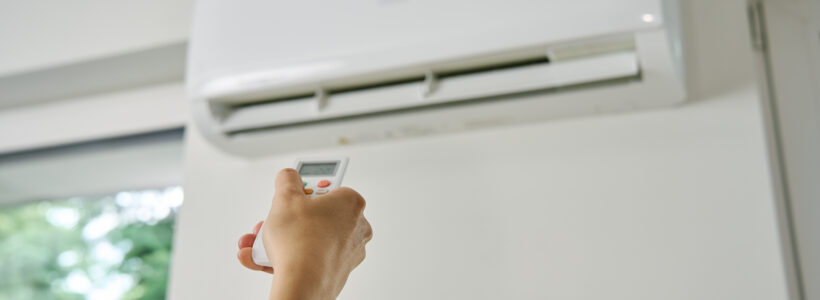
You’ve probably noticed your air conditioner running almost nonstop during Florida’s brutal summer afternoons. When it’s 95 degrees outside with 80% humidity, seeing your AC run for hours at a time can be concerning. Is this normal? Are you wasting money? Or worse — is something wrong with your system?
The short answer: on extremely hot Florida days, it’s completely normal for your AC to run 80-100% of the time during peak hours. However, understanding what’s normal versus what indicates a problem can save you from expensive energy bills and prevent small issues from becoming major repairs.
What’s Normal AC Run Time in Florida?
Unlike northern states where AC might cycle on and off every 10-15 minutes, Florida’s extreme heat and humidity create different operating patterns. Here’s what’s considered normal:
Moderate Days (80-85°F):
Your AC should cycle on and off, running about 15-20 minutes per cycle with 5-10 minutes of rest between cycles. Total run time: 40-60% of the hour.
Hot Days (86-92°F):
Expect longer run cycles of 20-30 minutes with shorter rest periods of 3-5 minutes. Total run time: 60-80% of the hour during afternoon peak heat.
Extreme Heat (93°F+):
Your AC may run continuously for 2-4 hours during the hottest part of the day (typically 2-6 PM). This is completely normal and expected. Total run time: 80-100% during peak hours.
Overnight and Early Morning:
Even in summer, your AC should cycle normally overnight as temperatures drop. If it’s running constantly at 3 AM when it’s 75°F outside, something is wrong.
Understanding AC Cycles vs. Continuous Running
A properly functioning AC “cycles” — it runs until your home reaches the set temperature, then shuts off until the temperature rises again. Each cycle should last at least 10-15 minutes to properly remove humidity and cool effectively.
Short cycling (running for less than 10 minutes before shutting off) is actually worse than running continuously. It indicates:
- Oversized AC unit for your home
- Thermostat problems
- Refrigerant issues
- Electrical component failure
Continuous running during extreme heat is normal, but continuous running during moderate weather or at night signals problems like:
- Undersized system
- Poor insulation
- Air leaks in your home
- Refrigerant leaks
- Dirty coils or filters
- Ductwork issues
Why Florida AC Units Run More Than Anywhere Else
Florida presents unique challenges that make AC systems work harder than in almost any other state:
Extreme Humidity: Your AC doesn’t just cool air — it removes moisture. Florida’s 70-90% humidity levels mean your system works overtime on dehumidification, which requires longer run times than cooling alone.
Year-Round Heat: Most Florida homes run AC 10-12 months per year versus 4-6 months in other states. This constant operation means systems face more wear and need to work harder overall.
High Heat Index: Florida’s heat index regularly exceeds 105°F in summer. Your AC isn’t just fighting the actual temperature but the “feels like” temperature created by humidity.
Afternoon Thunderstorms: Daily rain increases humidity levels right when temperatures are already peaking, forcing your AC to work even harder in the afternoon and evening.
Coastal Factors: Salt air, sand, and marine conditions cause faster deterioration of outdoor units, reducing efficiency and increasing run times over the system’s life.
When Constant Running Becomes a Problem
While extended run times are normal during peak heat, certain patterns indicate your system isn’t working efficiently:
Red Flags to Watch For:
1. Running constantly but not cooling If your AC runs nonstop but indoor temperature keeps climbing, you have a serious problem. This indicates refrigerant leaks, compressor failure, or severe airflow restrictions.
2. Never shuts off, even at night When outdoor temps drop to 70-75°F, your AC should cycle normally. Continuous running at night means your system is undersized, inefficient, or malfunctioning.
3. Short cycling (on/off every 5-10 minutes) This is harder on your system than running constantly and indicates thermostat issues, oversized equipment, or refrigerant problems.
4. Running constantly with high humidity indoors If your AC runs nonstop but your home feels muggy (above 55-60% indoor humidity), it’s not removing moisture properly — a sign of airflow issues or refrigerant problems.
5. Significantly higher run times than previous years If your AC suddenly runs much more than last summer under similar conditions, efficiency has degraded due to age, dirt buildup, or developing mechanical issues.
Factors That Affect How Long Your AC Should Run
Several variables influence normal run time for your specific home:
System Size and Efficiency:
- Properly sized systems run longer cycles less frequently
- Oversized systems short cycle and don’t dehumidify well
- Undersized systems run constantly even in moderate heat
- High-efficiency units (16+ SEER) run longer but use less energy per hour
Home Characteristics:
- Square footage — larger homes require longer run times
- Insulation quality — poor insulation doubles run time
- Window count and quality — single-pane windows increase solar heat gain
- Ceiling height — vaulted ceilings make AC work harder
- Roof color — dark roofs absorb more heat
- Tree coverage — shade significantly reduces AC load
Usage Patterns:
- Thermostat setting — each degree lower adds 3-5% to run time
- Occupancy — people, pets, and appliances generate heat
- Cooking and appliance use — oven, dryer, dishwasher add heat load
- Open doors/windows — even briefly increases run time significantly
Maintenance Status:
- Clean filters — dirty filters can increase run time by 15-30%
- Clean coils — dirty outdoor coils increase run time by 20-40%
- Proper refrigerant charge — low refrigerant increases run time dramatically
- Sealed ductwork — leaky ducts waste 20-40% of cooled air
How to Reduce Excessive AC Run Time
If your AC is running more than it should, these strategies can help:
Immediate Actions:
- Replace your air filter if it’s been more than 30 days
- Close all windows and exterior doors
- Close blinds and curtains on sun-facing windows
- Turn off unnecessary lights and appliances
- Set ceiling fans to counterclockwise to improve air circulation
- Raise your thermostat by 2-3 degrees during peak hours
- Check that all vents are open and unobstructed
Short-Term Improvements:
- Clean debris from around your outdoor unit
- Hose down the outdoor condenser coils (gently, with power off)
- Seal visible air leaks around windows and doors
- Add weatherstripping to exterior doors
- Install blackout curtains on west-facing windows
- Schedule professional AC maintenance and cleaning
Long-Term Solutions:
- Upgrade to a higher-efficiency AC system (16-20 SEER)
- Add insulation to attic and walls
- Replace single-pane windows with energy-efficient models
- Install a programmable or smart thermostat
- Add a whole-home dehumidifier to reduce AC workload
- Consider roof coating or lighter-colored roofing
- Plant shade trees on south and west sides
Smart Thermostat Settings for Florida
Proper thermostat management significantly impacts AC run time:
Recommended settings:
- Daytime when home: 76-78°F (higher saves energy, lower increases comfort)
- Nighttime: 74-76°F (cooler for sleeping)
- When away: 80-82°F (saves money without creating excessive recovery time)
Settings to avoid:
- Extremely low temperatures (68-70°F) — your AC can’t cool faster by setting it lower; you just waste energy
- Constant adjustments — frequent changes make your system work harder
- “Auto” fan setting in high humidity — use “on” to improve dehumidification
Smart scheduling:
- Pre-cool your home before peak rate hours (if you have time-of-use electricity rates)
- Raise temperature 2-3 degrees during peak afternoon heat (2-6 PM)
- Lower temperature in early morning when AC works most efficiently
When to Call a Professional
Contact an HVAC technician if you notice:
- AC running constantly even when outdoor temperature is below 85°F
- Indoor temperature can’t reach your thermostat setting
- Short cycling (on/off every 5-10 minutes)
- Ice forming on indoor or outdoor components
- Unusual sounds accompanying continuous operation
- Humidity levels above 60% indoors despite constant running
- Electric bills 30%+ higher than same period last year
- System is more than 10 years old and runs significantly more than when new
A professional can diagnose issues like:
- Refrigerant leaks requiring repair and recharge
- Dirty evaporator or condenser coils needing deep cleaning
- Ductwork leaks wasting cooled air
- Undersized or oversized equipment requiring replacement
- Failing components reducing efficiency
- Airflow restrictions from blocked ducts or failing blower motors
The Cost of Extended Run Times
Understanding what normal run times cost versus excessive running helps you budget and identify problems:
Normal summer operation: A 3-ton AC running 80% of the time during peak summer months might cost $150-250/month in electricity at Florida’s average rates.
Excessive running costs: If efficiency drops 30% due to dirty coils, low refrigerant, or other issues, that same usage could cost $200-350/month — an extra $600-1,200 per summer.
Short cycling costs: Paradoxically, short cycling often costs MORE than continuous running because startup requires 3-5x more energy than maintaining operation.
Investment in efficiency: Spending $150-300 on professional maintenance and repairs to restore normal operation typically pays for itself in 1-2 months through reduced energy costs.
The Bottom Line
On extremely hot Florida days (93°F+), your AC running 80-100% of the time during peak afternoon hours is completely normal and expected. The combination of extreme heat, high humidity, and constant sun exposure means Florida AC systems work harder than almost anywhere else in the country.
However, if your system runs constantly during moderate weather, at night, or can’t maintain comfortable temperatures despite continuous operation, you likely have an efficiency problem that’s costing you money and will eventually lead to system failure.
Regular maintenance, clean filters, and proper thermostat settings keep your AC running efficiently. When in doubt, licensed HVAC experts can identify problems before they become expensive repairs, ensuring your system runs only as much as it needs to — and no more.