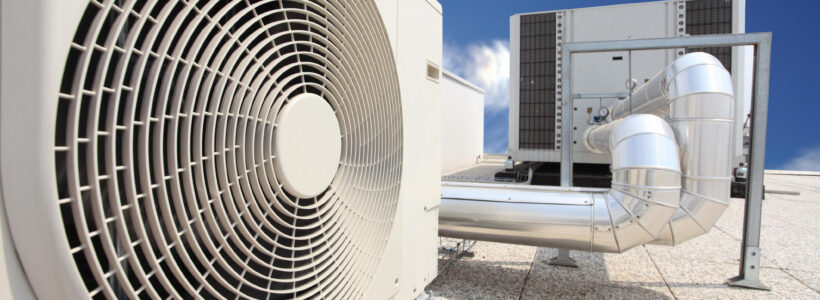
Hurricane season runs from June 1st through November 30th in Florida, and your HVAC system is one of the most vulnerable parts of your home during a storm. A single hurricane can cause thousands of dollars in damage to your air conditioning unit, leaving you without cooling when you need it most — right after the storm passes and temperatures soar.
The good news? Most hurricane damage to HVAC systems is preventable with the right preparation. Whether you’re facing your first Florida hurricane season or you’re a seasoned veteran, this complete guide will help you protect your investment and keep your family comfortable before, during, and after the storm.
Hurricane Season 2026 Key Dates:
- Official Season: June 1 – November 30
- Peak Activity: Mid-August through late October
- Best Time to Prepare: May (before season starts)
Why Your HVAC System Is Vulnerable
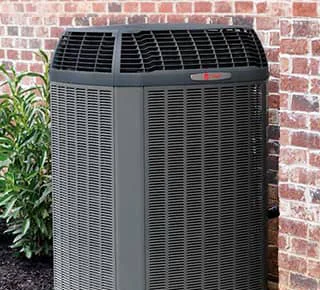
Your outdoor AC unit sits exposed to the elements year-round, but hurricanes present unique threats that can destroy even well-maintained systems:
- Flying debris — Tree branches, roof shingles, patio furniture, and other projectiles can puncture coils, bend fins, or damage the compressor
- Flooding — Storm surge and heavy rain can submerge outdoor units, destroying electrical components and motors
- Wind damage — Hurricane-force winds can actually lift and move improperly secured units or tear off protective panels
- Electrical surges — Power fluctuations and lightning strikes can fry circuit boards and capacitors
- Saltwater corrosion — Coastal areas face additional damage from salt spray that accelerates corrosion of metal components
Did You Know? The average cost to replace an AC unit damaged by hurricane flooding ranges from $3,500 to $7,500. Many homeowners don’t realize their standard insurance may not cover flood damage to outdoor HVAC units.
Your Hurricane Prep Timeline
Early Season (May – Early June)
This is the ideal time to prepare. Demand for HVAC services is lower, and you have time to address issues without emergency pricing.
- Schedule a professional pre-season inspection and tune-up
- Check your homeowner’s insurance policy for HVAC coverage details
- Document your system with photos and model/serial numbers
- Stock up on supplies (tarps, tie-downs, sandbags)
- Trim trees and remove dead branches near your outdoor unit
- Consider installing a hurricane-rated AC pad or securing system
Active Season Monitoring (June – November)
Stay informed and ready to act. Most Floridians have 3-7 days warning before a hurricane makes landfall.
- Monitor weather forecasts and hurricane tracking updates
- Keep your emergency supply kit updated
- Clear area around outdoor unit monthly (remove debris, cut back vegetation)
- Test your system regularly to catch problems before a storm approaches
Hurricane Watch (72 Hours Before Impact)
Start preparation but don’t panic. You still have time to protect your system properly.
- Secure or bring inside all outdoor furniture, plants, and decorations
- Take photos of your HVAC system from all angles for insurance purposes
- Review your hurricane prep checklist
- Fill bathtub with water (you’ll need it if you lose water service)
- Charge all devices and backup batteries
Hurricane Warning (24-48 Hours Before Impact)
Complete all outdoor preparations now. This is your last chance to protect your HVAC system safely.
- Turn off your AC at the thermostat
- Shut off power to the unit at the circuit breaker or disconnect box
- Cover and secure your outdoor unit (see detailed instructions below)
- Move to your safe room or evacuation location as directed
How To Protect Your Outdoor AC Unit
Step 1: Turn Off Power
This is the most critical step and must be done first:
- Set your thermostat to “OFF” (not just a higher temperature)
- Go to your electrical panel and switch off the breaker labeled for your AC unit
- If your outdoor unit has a disconnect box, open it and pull out the disconnect block
CRITICAL: Never work around your outdoor unit while power is connected. Electrocution is a serious risk, especially in wet conditions.
Step 2: Clear the Area
Remove everything within a 10-foot radius of your outdoor unit:
- Patio furniture, grills, and planters
- Garden tools and equipment
- Trash cans and recycling bins
- Children’s toys and sports equipment
- Any loose items that could become projectiles
Step 3: Secure or Cover the Unit
You have several options depending on your situation and storm severity:
Option 1: Hurricane Cover or Tarp (Recommended for Category 1-3)
- Use a waterproof tarp or specially designed AC hurricane cover
- Secure tightly with hurricane straps or ratchet tie-downs anchored to concrete
- Ensure water can drain out the bottom — don’t create a water trap
- Leave no loose edges that wind can catch
Option 2: Plywood Cage (Best for Category 4-5 or Coastal Areas)
- Build a three-sided plywood structure around the unit (leave one side for drainage)
- Use 3/4-inch exterior-grade plywood secured to stakes driven deep into the ground
- This provides better debris protection than tarps alone
- Can be built in advance and stored for future use
Option 3: Elevated Mounting (Best Long-Term Solution)
- Have your unit professionally mounted on an elevated platform (3-4 feet high)
- Protects against flooding while allowing proper airflow
- Must be done before storm season begins
- Requires professional installation to maintain warranty
Important: Never completely seal your outdoor unit in plastic. This can trap moisture and cause corrosion. Always allow for drainage and air circulation at the bottom.
Step 4: Protect Against Flooding
If you’re in a flood-prone area, take these additional steps:
- Place sandbags around (not touching) the unit to divert water flow
- If flooding is certain and severe, consider having a professional temporarily disconnect and move the unit to higher ground
- Document the unit’s location and condition with photos before the storm
- Know that flood-damaged units usually require complete replacement
What About Your Indoor HVAC Components?
Don’t forget to protect the parts of your system inside your home:
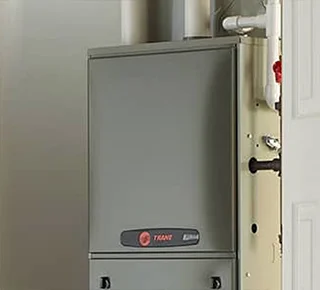
Air Handler and Furnace
- If located in a garage or low area prone to flooding, turn off power at the breaker
- If possible, elevate the unit on blocks or platforms before storm season
- Never attempt to move a unit yourself — they’re heavy and contain refrigerant lines
Thermostat and Electrical
- Unplug the thermostat if it’s battery-powered, or turn off its breaker
- Consider a whole-home surge protector to prevent electrical damage
- Have a professional check your electrical connections before storm season
Ductwork
- Seal any accessible duct leaks to prevent water intrusion
- If your attic floods, ducts may need professional cleaning and sanitizing
During the Storm: What NOT To Do
Once the hurricane arrives, your safety is the only priority. Never:
- Go outside to check on or adjust your AC unit during the storm
- Run your AC during the storm, even if you still have power
- Turn on your AC immediately after power returns — wait for our post-storm checklist below
- Touch any electrical equipment if you’re standing in water
- Attempt DIY repairs on damaged equipment
After the Storm: System Inspection Checklist
Before turning your AC back on, complete this inspection. Your system could have hidden damage that will worsen if you run it.
✓ Post-Hurricane HVAC Inspection
Outdoor Unit Inspection:
- Check for visible damage (dents, bent fins, displaced components)
- Look for debris inside the unit
- Inspect electrical connections and wiring
- Check that the unit is still level and secure on its pad
- Look for signs of flooding (water lines, debris, or rust)
- Examine refrigerant lines for damage or disconnection
Indoor Components:
- Check air handler and furnace for water damage
- Look for ceiling water stains near vents
- Inspect visible ductwork for damage
- Smell for unusual odors (gas, burning, mold)
If Everything Looks Normal:
- Remove any covers or protection you installed
- Clear all debris from around the outdoor unit
- Turn power back on at the circuit breaker
- Wait 24 hours before turning on your AC (this allows oil to settle)
- Set thermostat to “cool” and monitor for 30 minutes
- Listen for unusual sounds and check for proper cooling
STOP! Call a Professional If You Notice:
- Any visible damage to the unit
- Signs of flooding or water damage
- Unusual sounds when the unit tries to start
- The unit won’t start at all
- Electrical burning smells
- Tripped breakers that won’t stay reset
Common Hurricane Damage and What It Means
Flooded Outdoor Unit
Severity: Critical
If water reached the electrical components, the unit likely needs replacement. Never attempt to run a flooded AC unit. Water causes corrosion, short circuits, and motor failure. Professional assessment is essential within 48 hours.
Bent or Damaged Fins
Severity: Minor to Moderate
Bent condenser fins reduce efficiency but usually don’t prevent operation. A technician can often straighten them with a fin comb. However, extensive damage may require coil replacement.
Debris Impact Damage
Severity: Moderate to Critical
Punctured coils cause refrigerant leaks. Small impacts might only dent the cabinet, but anything that penetrates the coils requires professional repair and refrigerant recharging.
Displaced or Unlevel Unit
Severity: Moderate
If your unit shifted or tilted, don’t run it. The compressor needs to be level to function properly. A technician must reposition and re-level the unit, then check for damage to refrigerant lines.
Electrical Damage
Severity: Moderate to Critical
Power surges can fry circuit boards, capacitors, and control systems. Signs include tripped breakers, burning smells, or the unit not responding at all. This requires professional electrical testing and potentially component replacement.
Insurance Claims: What You Need to Know
Understanding your coverage before disaster strikes helps you recover faster:
What’s Typically Covered
- Wind damage to your outdoor unit
- Debris impact damage
- Damage to your home’s HVAC systems from roof leaks
- Electrical surge damage (if you have appropriate coverage)
What’s Often NOT Covered
- Flood damage (requires separate flood insurance)
- Damage from lack of maintenance
- Pre-existing problems made worse by the storm
- Cosmetic damage that doesn’t affect function
Filing a Claim
- Document everything — Take photos and videos before and after the storm
- Don’t throw away damaged parts — Adjusters may need to see them
- Get a professional assessment — HVAC technician reports carry weight with insurance
- Keep all receipts — Emergency repairs, temporary lodging if AC is destroyed, etc.
- File promptly — Most policies have time limits for filing claims
Pro Tip: Consider scheduling a pre-season professional inspection and keep the report. This documentation proves your system was properly maintained, which strengthens insurance claims if hurricane damage occurs.
Long-Term Hurricane Protection Strategies
If you plan to stay in Florida long-term, these investments pay off over multiple hurricane seasons:
Hurricane-Rated Equipment Upgrades
- Impact-resistant outdoor unit covers — Metal or reinforced polymer shields designed to withstand debris
- Elevated mounting platforms — Raises units above typical flood levels
- Whole-home surge protection — Protects all electrical appliances, not just AC
- Backup power systems — Generators or battery backup keeps AC running during extended outages
Landscaping for Protection
- Plant wind-resistant shrubs as natural windbreaks (not trees that could fall on the unit)
- Maintain 3-5 feet of clear space around your outdoor unit year-round
- Install hurricane-resistant fencing that won’t become debris
- Grade your yard to direct water away from HVAC equipment
Maintenance Plan Benefits
A professional maintenance plan provides year-round protection:
- Regular inspections catch vulnerabilities before storm season
- Priority service after storms when demand is highest
- Documentation for insurance purposes
- Discounts on repairs and emergency service calls
- Extended equipment life means you’re less likely to face replacement costs after a storm
Frequently Asked Questions
When should I turn off my AC before a hurricane?
Turn off your AC when a hurricane warning is issued for your area, typically 24-36 hours before expected landfall. This gives you time to properly secure the outdoor unit and prevents damage from power surges during the storm.
Can I run my AC on generator power during a hurricane?
Yes, but only if you have a properly sized generator with a transfer switch installed by a licensed electrician. Never run your AC during active hurricane conditions even with generator power — the outdoor unit is exposed to debris and extreme conditions.
How long does it take to get AC repair after a hurricane?
After major hurricanes, HVAC companies face weeks or even months of backlog. Homes with vulnerable residents (elderly, young children, health issues) typically get priority. Having a maintenance plan often moves you to the front of the line.
Will my HVAC warranty cover hurricane damage?
Standard manufacturer warranties do not cover weather-related damage. However, some extended warranties or home warranties may include storm damage coverage. Review your warranty documents or call your provider before hurricane season.
Should I run my AC after the power comes back on?
Wait at least 24 hours after power restoration before turning on your AC. This allows the compressor oil to settle and lets you inspect for damage. If power was out for more than 4 hours, have a professional check the system first.
What’s the most important thing I can do to protect my AC?
Turn off power before the storm and clear the area around your outdoor unit. These two actions prevent the majority of preventable hurricane damage. Securing the unit with a cover or cage provides additional protection but power disconnection is non-negotiable.
Can I prevent all hurricane damage to my HVAC?
No preparation can protect against all damage from a direct hit by a major hurricane. However, proper preparation dramatically reduces the risk and severity of damage. Most protected, well-maintained systems survive Category 1-3 hurricanes with minimal to no damage.
Don’t Wait Until the Storm Is Coming
The best time to prepare your HVAC system for hurricane season is before the first storm forms. Waiting until a hurricane warning is issued means competing with thousands of other homeowners for limited HVAC services, supplies, and emergency repairs.
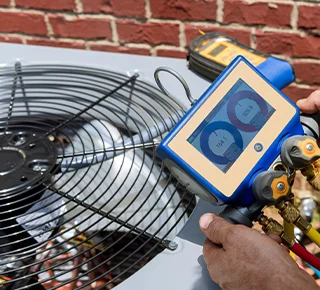
A pre-season inspection identifies vulnerabilities, ensures your system is running efficiently, and gives you peace of mind that you’re ready for whatever the Atlantic throws at Florida this year. Most importantly, a well-maintained system is more likely to survive a hurricane and less likely to fail in the extreme heat that follows when your community needs it most.
Don’t wait for the next storm watch. Florida Air offers comprehensive pre-season inspections and hurricane preparation services to protect your investment and your comfort.