
Every summer I get the same calls after the first big storm. Power flickered, the outdoor unit will not start, the house feels humid, and the breaker keeps tripping. Most of those headaches are avoidable with a little preparation. In this guide I will show you how to get your air conditioner ready for a Florida hurricane season, how to protect it during a storm, and what to do right after, so you stay safe and get back to comfort fast. If you want a professional once over before the season, schedule with Florida Air, Inc..
Why Storm Prep Matters For Your AC
Your AC is an electrical machine that breathes outdoor air and lives in the weather. Lightning, power surges, wind blown debris, and flood water are rough on compressors, control boards, and fan motors. Humidity spikes fast when the power goes out, which can lead to musty odors and drain clogs. A few simple steps before the season and the right moves during and after a storm can save you from expensive repairs and long wait times.
Pre Season Checklist You Can Do Now
Book a tune up
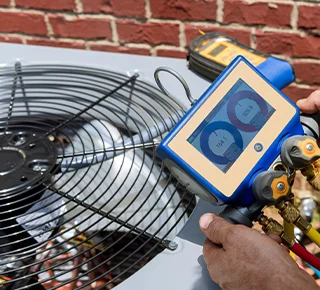
A proper tune up finds weak capacitors, loose connections, dirty coils, and slow drains before storm stress exposes them. We also check refrigerant charge, temperature split, and static pressure so the system starts the season strong.
Clear the area around your condenser
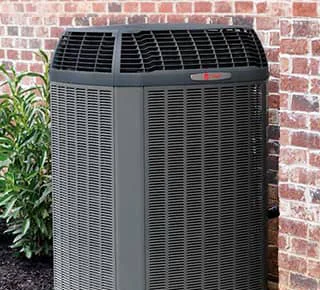
Give the outdoor unit two feet of breathing room. Trim shrubs, remove palm fronds, rake away mulch that could blow against the coil. Good airflow keeps head pressure down, which helps when the weather turns hot and sticky.
Secure the unit to a hurricane rated pad
Your condenser should sit on a solid, level, hurricane rated pad with stainless or galvanized anchors. If it wobbles, the anchors are rusted, or the pad is sinking, fix it now. Tie down kits keep the cabinet planted when gusts push hard.
Add surge protection
Lightning and utility spikes cook boards and compressors. A dedicated HVAC surge protector at the condenser and a whole home surge device at the panel are cheap insurance. We size and install them so your warranty stays intact.
Protect the low voltage
Exposed thermostat wire and loose conduit are easy targets for wind and branches. Replace sun cracked conduit, secure the whip, and keep low voltage splices inside watertight boxes.
Service the drain line and pan
A slimy drain line will trip the float switch the minute humidity spikes. Flush the line, clean the trap, and confirm the pan drains. If you do not have a float switch, add one. It prevents ceiling damage when storms push moisture load high.
Check the filter and the return seal
A loose or undersized filter allows bypass dust to hit the coil. Seal the filter cabinet, install the right size filter, and start the season clean. In storm season you want maximum airflow and strong moisture removal.
Consider a hail guard or coil guard if you are coastal
Salt and grit beat up condenser fins. A proper guard protects without choking airflow. Skip tarps and plastic covers that trap moisture unless the unit is shut down and fully dry.
Review your maintenance plan
Priority service helps when phones light up after a storm. If you have a plan with us, make sure your contact info is current so we can reach you quickly. If you do not, our maintenance plans make storm season easier.
What To Do When A Storm Is Approaching
Pre cool the house and lower humidity
A few hours before landfall, set the thermostat two degrees cooler than usual and run the system to dry the house. If you have a whole home dehumidifier, set it to hold around 50 percent. Dry walls and furnishings ride out outages better.
Set the fan to Auto
Auto lets the coil drain between cycles. The On setting blows across a wet coil and adds moisture back to the air. During storm prep, you want the driest air you can get.
Decide when to shut the system off
If lightning strikes are close or power is already flickering, turn the AC off at the thermostat. For extra protection, flip the outdoor disconnect and the air handler breaker. This prevents rapid short cycling and protects electronics from unstable voltage.
Secure the outdoor unit area
Move loose items like patio chairs, grills, and toys so they do not slam into the condenser. Close fence gates. If you have a cover designed for off season storage, do not install it in wet conditions. Covers trap moisture against the coil. Wind rated mesh guards are fine.
Do not tape or bag the condenser
Plastic traps moisture and can pull against the fan shroud. Let the cabinet shed water the way it was designed.
Generator Safety For Central Air
If you plan to run central AC on a generator, match the generator to the starting amps of your system and use a transfer switch. Undersized generators stall compressors and damage contactors. Never backfeed a panel with a cord. If you are unsure, run a few window units or fans and a dehumidifier on a properly sized portable, then wait for utility power to run central AC. W
After The Storm: Start Up The Smart Way
Visual check outside before you restore power to the AC
Look for standing water around the condenser, bent fan blades, missing panels, and debris lodged in the coil. If the unit took on flood water that reached electrical components, do not start it. Call for service. Document with photos for insurance.
Restore power with a short delay
If you shut off the breakers, reset them after utility power is stable. Wait about 30 minutes before calling for cooling so the compressor crankcase heater can clear liquid refrigerant. This protects against a hard start.
Listen and smell on first start
Turn the thermostat to Cool and set it a few degrees below room temperature. Listen for normal fan startup. A loud buzz, repeated clicks, or tripped breaker means stop and call. A light musty odor is common after a long off period. It should fade within minutes. If it does not, your coil and drain may need cleaning.
Check condensate drainage
Confirm that the drain is flowing outdoors and the pan is not backing up. Humidity will spike after a storm, so drainage needs to be perfect.
Watch the breaker and thermostat
If the breaker trips or the thermostat goes blank, leave the system off and schedule a check. Lightning can weaken capacitors and boards that fail a day later. Quick tests save bigger parts from damage.
Flooded Equipment Rules
- Never run a condenser that sat in flood water up to the electrical panel or motor. Bearings and windings do not like dirty water.
- Air handlers in closets or garages that got wet need a full inspection. Moisture inside a cabinet leads to corrosion and hidden shorts.
- Insurance often covers flood related HVAC loss. Take photos, grab model and serial numbers, and call us. We provide reports for claims.
Prevent Damage From Power Quality Problems
Use dedicated HVAC surge protection
We install a unit at the outdoor disconnect that clamps high voltage spikes before they reach compressors and boards. Pair that with a whole home device at the panel to catch surges from inside the house and from the utility.
Add a time delay or short cycle protection
Some thermostats and control boards include a built in delay that prevents rapid on off cycling after a power blip. If yours does not, we can add a delay timer to protect the compressor.
Verify proper grounding
Loose grounds increase the chance of fried boards. During tune ups we check bonds and lugs so surge devices have a path to work.
Keep Humidity Under Control When Power Returns
After a long outage, the house will feel heavy even when temperature looks fine. Use these steps to dry the space fast.
- Replace the filter if it looks loaded from extended run time
- Run the AC a little cooler for a few hours to pull moisture out of walls and furnishings
- If you have a whole home dehumidifier, set it to 50 percent and let it run through the night
- Run bath and kitchen exhaust fans to move moisture outside
- Keep doors and windows closed until indoor humidity is back to normal
Common Post Storm Repairs We See
Failed capacitors and contactors
Power spikes and heat wear these parts out. If the fan hums but will not spin, or the compressor tries and fails, this is likely. Replacements are quick and prevent bigger failures.
Bent fan blades and noisy motors
Wind driven debris can warp blades and overload motors. Replace bent blades, do not try to bend them back. Vibration damages bearings and cabinets.
Damaged control boards
Lightning and surges can travel through low voltage lines and take out boards. We test, replace, and add surge protection so it does not happen twice.
Clogged drains and musty coils
High moisture loads grow algae fast. A coil and drain service restores airflow and clears the smell.
Things Not To Do
- Do not cover a wet condenser with a plastic tarp
- Do not hose a running outdoor unit, water can enter electricals
- Do not reset a tripping breaker more than once
- Do not run the fan in On to “air the house out” while the coil is wet
- Do not try to straighten severely mashed condenser fins with knives or screwdrivers
Quick Reference: Your Hurricane AC Prep List
- Tune up complete, coils clean, charge checked
- Surge protection installed at the unit and panel
- Outdoor unit anchored to a hurricane rated pad, clear two feet around
- Drain line flushed, float switch tested, pan clean
- Filter new and snug, return cabinet sealed
- Thermostat set to Auto for fan, short cycle delay confirmed
- Photos of equipment and serial numbers for records and insurance
- Plan for safe generator use if needed
The Bottom Line
A little preparation before hurricane season protects your AC from the two things it hates most, bad power and standing water. Secure the condenser, clean the coils and drain, add surge protection, and dry the house before the storm. If power flickers, shut the system down cleanly and bring it back with a short delay. After the storm, make a quick inspection, confirm drainage, and let the system pull the moisture back out. Do these steps and you will avoid the common failures we see every year. If you want help building a simple prep plan, start with Florida Air, Inc..
Call Florida Air, Inc.
If you want a professional storm prep, we can help. Call Florida Air, Inc. for a hurricane readiness inspection, surge protection install, and drain service, or contact us to book a visit. We offer fast after hours emergency service, free in home estimates on new systems, and a 30 day warranty on service repairs. Ask about our maintenance plans and our 10 year parts warranty on new installations. Your comfort is our business, and we are your hometown team for hometown service.