
Every Florida homeowner faces the same question: should I pay for regular HVAC maintenance, or just call when something breaks? It’s tempting to skip the $150-300 annual tune-up and save that money. After all, if your AC is working fine, why spend money fixing what isn’t broken?
Here’s the reality that catches most homeowners by surprise: skipping maintenance doesn’t save money. It just shifts when and how much you spend — usually at the worst possible time, for far more money, under the most stressful circumstances.
Let’s break down the actual costs of both approaches so you can make an informed decision based on real numbers, not guesswork.
The Cost of Preventive HVAC Maintenance
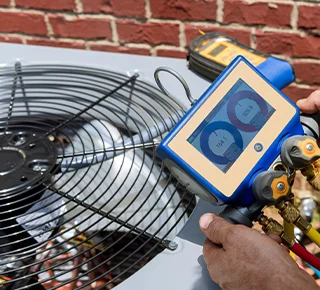
Regular HVAC maintenance involves having a professional technician inspect, clean, and tune your system before problems develop. In Florida’s demanding climate, this should happen twice per year — once before summer and once before winter.
Typical maintenance visit costs:
- Single tune-up: $99-150
- Annual maintenance plan (2 visits): $200-350
- Premium maintenance plan with perks: $300-450
What you get for this investment: A thorough AC tune-up includes filter replacement, coil cleaning, refrigerant level check, electrical connection inspection, thermostat calibration, condensate drain cleaning, and full system performance testing. The technician identifies small problems before they become expensive failures.
Annual cost breakdown: If you pay for two seasonal tune-ups separately: $200-300 per year With a maintenance plan: $200-350 per year with added benefits like priority service, waived trip fees, and repair discounts
The Cost of Emergency HVAC Repairs
Now let’s look at what happens when you skip maintenance and deal with problems as they arise.
Common emergency repair costs in Florida:
Compressor failure: $1,500-3,000 This is the most expensive single component to replace. Low refrigerant from undetected leaks, dirty coils, and electrical issues (all caught during maintenance) are the leading causes of premature compressor failure.
Refrigerant leak repair and recharge: $400-800 Small leaks caught during maintenance cost $200-400 to fix. Leaks that worsen over months cause compressor damage and complete refrigerant loss, tripling the repair cost.
Blower motor replacement: $400-600 Dirty filters and lack of lubrication (addressed in maintenance) cause most blower motor failures.
Capacitor replacement: $150-400 Capacitors wear out faster when systems are dirty or low on refrigerant — both issues identified during routine maintenance.
Evaporator coil replacement: $1,000-2,000 Coils fail when they’re never cleaned and corrosion builds up from trapped moisture and debris.
Complete system replacement: $4,000-8,000 Systems that receive no maintenance fail 5-7 years sooner than maintained systems, forcing premature replacement.
Emergency service fees: Add $150-300 just for after-hours service calls when your AC breaks down at midnight or on weekends.
Real-World Cost Comparison: 10-Year Analysis
Let’s compare two identical homes with identical HVAC systems over 10 years.
Home A: Regular Maintenance
- Annual maintenance cost: $250/year × 10 years = $2,500
- Minor repairs caught early: $300-500 total over 10 years
- System lifespan: 15-18 years
- Total 10-year cost: $3,000-3,500
Home B: No Maintenance, Repair When Broken
- Year 4: Capacitor failure: $350
- Year 5: Refrigerant leak and recharge: $750
- Year 7: Blower motor replacement: $550
- Year 9: Compressor failure: $2,200
- Year 10: System so degraded, requires replacement: $6,500
- Emergency service fees (average 2 calls): $400
- Higher energy bills due to inefficiency: $100/year × 10 = $1,000
- Total 10-year cost: $11,750
The difference: $8,250 more without maintenance
This isn’t theoretical — this is the pattern HVAC companies see repeatedly with unmaintained systems in Florida’s harsh climate.
Why Florida Makes Maintenance Even More Critical
Florida’s extreme conditions accelerate wear and tear on HVAC systems:
Year-round operation: Your AC runs 10-12 months per year versus 4-6 months in northern states. This constant operation means components wear out much faster without proper HVAC maintenance.
Extreme humidity: Moisture promotes mold growth on coils, corrosion of electrical components, and condensate drain clogs — all issues addressed during maintenance visits.
Salt air exposure: Coastal Florida homes face accelerated corrosion of outdoor units. Regular cleaning and inspection catch corrosion before it causes failure.
Dust and pollen: Florida’s environment clogs filters faster and coats coils with debris that reduces efficiency and causes overheating.
High heat stress: When your system works against 95-100°F outdoor temperatures daily, any efficiency loss from dirty coils or low refrigerant causes exponentially more strain.
What Maintenance Actually Prevents
Regular maintenance doesn’t just catch problems — it actively prevents them:
Prevents 80% of breakdowns: Studies show proper maintenance eliminates four out of five emergency repairs before they happen.
Extends system life by 5-10 years: Well-maintained systems last 15-20 years versus 10-12 years for neglected systems.
Maintains efficiency: Clean systems use 15-25% less electricity than dirty, unmaintained systems.
Prevents cascading failures: A small problem like a dirty coil causes low refrigerant, which damages the compressor. Maintenance catches the first problem before it causes the second.
Maintains warranty coverage: Many manufacturers require proof of annual maintenance to honor warranty claims.
The Hidden Costs of Skipping Maintenance
Beyond repair bills, unmaintained systems cost you money in ways you might not realize:
Higher energy bills: A system that’s 20% less efficient due to dirty coils and low refrigerant costs an extra $30-60 per month in electricity — $360-720 per year.
Reduced home comfort: Inefficient systems struggle to maintain temperature and humidity, leaving you uncomfortable in your own home.
Emergency timing: Breakdowns happen during peak demand (hottest days), meaning longer wait times for service and higher emergency fees.
Lost work time: Emergency repairs often require you to stay home during business hours, costing lost wages.
Spoiled food and medication: Complete AC failure in Florida heat can spoil refrigerated items and temperature-sensitive medications.
Health risks: Going without AC during extreme heat poses serious health risks, especially for children, elderly, and those with medical conditions.
What Maintenance Plans Include
Understanding what you get for your money shows the value:
Standard maintenance plan benefits:
- Two seasonal tune-ups per year
- Priority scheduling (no waiting weeks for service)
- Discounts on repairs (typically 10-15%)
- Waived diagnostic and trip fees
- Extended parts and labor warranties
- Annual reminders for service
Premium plan additions:
- Emergency service fee waived
- Larger repair discounts (15-20%)
- Free filter replacements
- Thermostat battery replacement
- Indoor air quality system inspection
- Transfer to new owner if you sell
When Emergency Repairs Make Sense
Maintenance is always cheaper long-term, but there are situations where emergency repair is your only option:
You just bought a home: The previous owner never maintained the system, and it breaks down. You have no choice but emergency repair until you can start a maintenance schedule.
Unexpected failure: Even maintained systems can have sudden failures, though they’re far less common.
Natural disasters: Hurricanes or severe storms can damage systems regardless of maintenance status.
After emergency repair: Once you’ve had an expensive emergency repair, that’s the perfect time to start a maintenance plan to prevent the next one.
How to Choose Between Maintenance Plans
Not all maintenance plans are equal. Here’s what to look for:
Twice-yearly service: Florida’s climate demands spring and fall service, not just once annually.
Comprehensive checklist: Should include coil cleaning, refrigerant check, electrical inspection, and performance testing — not just a filter change.
Repair discounts: Look for at least 10-15% off parts and labor.
Priority service: During heat waves when every AC company is booked solid, plan members get scheduled first.
Transferable: If you sell your home, being able to transfer the plan adds value for buyers.
Clear terms: No hidden fees, clear explanation of what’s included, and honest communication about what’s not covered.
Making the Smart Financial Decision
Think of HVAC maintenance like car maintenance. You could skip oil changes and tire rotations to save money short-term. But eventually, you’ll need a new engine or transmission that costs 10-20 times more than the maintenance you skipped.
For $250-350 per year, you’re buying:
- Peace of mind that your AC won’t fail during a heat wave
- 15-25% lower energy bills
- 5-10 extra years of system life
- Prevention of 80% of emergency repairs
- Maintained manufacturer warranties
Compare that to the alternative:
- $500-3,000 emergency repairs at the worst possible times
- Possibly $6,000-8,000 for premature system replacement
- Higher energy bills year after year
- No AC during Florida summer while waiting for repairs
- Constant worry about the next breakdown
Frequently Asked Questions
Can I do HVAC maintenance myself?
You can change filters and keep the outdoor unit clear of debris, but comprehensive maintenance requires specialized tools, refrigerant handling licenses, and technical knowledge. Professional maintenance catches problems that homeowners miss.
How do I know if a maintenance plan is worth it?
If your system is more than 3 years old and you plan to stay in your home, a maintenance plan almost always pays for itself through prevented repairs and lower energy bills.
What if my system is brand new?
New systems still need maintenance. In fact, maintenance during the warranty period is often required to keep warranties valid. Starting maintenance immediately maximizes your system’s lifespan.
Is twice-yearly maintenance really necessary in Florida?
Yes. Florida’s year-round operation and harsh conditions make twice-yearly maintenance essential. Systems here work much harder than in temperate climates.
Invest in Prevention, Not Emergency Repairs
Don’t wait for an expensive breakdown to wish you’d invested in maintenance. Florida Air Repairs offers comprehensive maintenance plans designed specifically for Florida’s demanding climate. Contact us to request for a free quote.