
I have serviced a lot of systems in Florida, and I can tell you this with a straight face. Most surprise breakdowns are not surprises at all. They are the result of skipped maintenance, slow drains, weak capacitors, and coils that needed cleaning months ago. Homeowners usually ask me the same question before summer hits. Should I sign up for a maintenance plan, or should I just call when something breaks pay for steady care, or pay as I go
In this guide, I will lay out what each approach really looks like, what you can expect to spend over a year, and which homes tend to save with a plan versus one-off visits.
What A Real Maintenance Plan Includes
A good plan is more than a filter swap. Here is what should be on the checklist for a Florida home.
- Spring cooling tune-up, coil and drain inspection, temperature split check, blower settings, electrical tests, refrigerant performance check
- Fall heating or heat pump check, defrost test where applicable, safety controls, thermostat programming review
- Condensate line flush with a proper cleanout, trap check, and pan treatment
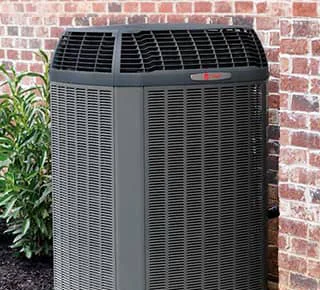
- Outdoor condenser coil cleaning from the inside out when needed
- Electrical checks, capacitors, contactors, tightening lugs, and confirming grounds
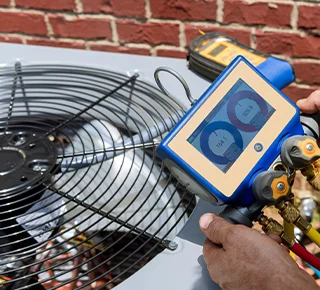
- Static pressure measurement to catch airflow problems before they hurt coils and compressors
- Priority scheduling, modest parts discounts, and reduced diagnostic fees
When this work is done on schedule, the system runs smoother, pulls moisture out faster, and avoids the little failures that turn into big bills.
What Pay-As-You-Go Service Looks Like
This is simple. You do not schedule routine tune-ups. You call when comfort slips, a smell pops up, the breaker trips, or the system stops cooling. The visit focuses on the immediate fault, not the whole system. If the technician has time, he may rinse a trap or tighten a lug, but the visit is built around the repair.
Pay-as-you-go can work for a while in a mild year, or in a newer home that was installed and commissioned correctly. It gets expensive when small preventable problems pile up during peak heat.
A Straightforward 12-Month Cost Comparison
Every home is different, but this model matches what I see across hundreds of visits each year.
Scenario A, Seasonal Plan
- Plan fee: reasonable monthly or annual amount
- Spring tune-up included
- Fall check included
- Condenser coil rinse, drain flush, and basic materials included
- Parts discount and reduced diagnostic fee if a repair pops up
Typical extras across the year
- One small part, often a capacitor or contactor, caught during a tune-up
- Optional media filter change at the correct interval
Result
Steady performance, fewer emergency calls, lower risk of flood from a clogged drain, and better humidity control that can allow a slightly higher thermostat setting.
Scenario B, Pay-As-You-Go
- No plan fee
- One diagnostic in early summer when cooling is weak
- Coil and drain service billed as needed
- One emergency visit during a heat wave when a weak capacitor, a clogged drain, or a dirty coil pushes the system over the edge
Typical extras across the year
- Overtime or after-hours premium when the breakdown happens on a weekend
- Extra cleaning and materials because the coil, pan, and trap went longer than they should
Result
Comfort swings, a higher chance of musty odors or water near the air handler, more stress on compressors and boards, and a higher bill if the failure lands after hours.
In many homes, the total dollars at the end of 12 months are lower with a plan, even before you count soft savings like fewer missed work hours waiting for a technician.
Where The Savings Really Come From
Fewer high-amp starts and better humidity control
Clean coils and correct airflow let the system run longer, steady cycles. The compressor starts fewer times, which lowers wear and power spikes. Dry air feels cooler, so you can often raise the thermostat a degree without losing comfort.
Prevented emergency calls
A weak capacitor, a slow drain, or a matted coil gets fixed during a scheduled visit, not at 8 p.m. on a Saturday. Avoiding a single after-hours call can cover a big chunk of a plan.
Lower static pressure, lower blower watt draw
When returns seal tight and filters fit right, the blower does not fight pressure. That saves energy and protects the evaporator coil from icing.
Longer equipment life
Parts last longer when they stay cool and clean. Fewer overheated compressors, fewer pitted contactors, fewer pan overflows.
Who Usually Saves With A Plan
- Homes near the coast, or under heavy trees, where coils collect salt or pollen faster
- Families with pets, cooking, or candles that load indoor coils with film
- Houses with older equipment that still has solid bones, but needs steady care
- Heat pump homes that rely on a reversing valve and defrost logic that should be tested before winter
- Anyone who values priority scheduling, clear records, and predictable costs
Who Can Consider Pay-As-You-Go
- Newer systems installed and commissioned correctly, with good ducts and returns
- Homes with easy equipment access, clean living habits, and low dust loads
- Owners who are disciplined about replacing filters on time, clearing vegetation, and shutting systems down at the first sign of icing
Even in these cases, one scheduled check in spring is smart insurance. Florida humidity is not forgiving.
What Should Be On A Spring Tune-Up Sheet
If you are comparing providers, ask to see a sample checklist. Look for these items.
- Measure temperature split, supply and return
- Measure external static pressure and compare to blower tables
- Inspect, then clean the evaporator coil as needed with proper chemistry
- Clean and flush the condensate line, verify trap, check float switch
- Clean the condenser coil from the inside out
- Check capacitors under load, test contactor, inspect wiring and grounds
- Verify refrigerant performance by superheat and subcooling where conditions and manufacturer allow
- Confirm thermostat settings for fan Auto, humidity control, and short-cycle protection
- Inspect filter cabinet for a tight seal, install correct size media, and note MERV rating
If half of these are missing, you are not getting a real tune-up.
Hidden Costs Many Homeowners Miss
The drain line and pan
When the drain slimes up, the float switch trips, or the pan overflows. In an attic or closet, that can stain ceilings, damage floors, and invite mold. Regular cleaning and a cleanout tee are cheap compared to repairs and drywall.
Short cycling after power flickers
Storms and utility blips are common. Plans often include a quick check of surge protection and time delay settings. Preventing rapid restarts protects compressors and boards.
Filter choices and cabinet leaks
One-inch high MERV filters can starve airflow, even when new. A deep media cabinet lowers resistance and protects the coil. This small upgrade, done during a plan visit, saves energy and trouble.
A Simple 12-Month Decision Framework
Ask yourself these questions, answer honestly, and the right choice will stand out.
- Is my system older than eight years, or has it needed a couple of parts in the last two seasons?
- Is the air handler in an attic or a closet over finished space?
- Do I live near salt air, heavy pollen, or construction dust?
- Do I want priority service, clear records, and predictable costs?
- Do I prefer to handle small maintenance tasks myself, or would I rather a pro do it on schedule?
If you answered yes to three or more, a plan usually wins.
Common Questions
Do plans force me into unnecessary repairs?
No. A good plan documents findings with photos and readings, then gives you options. You choose what to handle now, and what to monitor.
If my system is new, should I still consider a plan?
Yes, especially during the first years when coils collect construction dust and duct seal settles. Routine service also helps protect manufacturer warranties that require documented maintenance.
Will I really save on my power bill?
Clean coils, correct airflow, and steady humidity control shave kWh. You also avoid the cost of dropping the thermostat lower to feel comfortable when the air is damp.
What if I have two systems?
Plans usually scale with a discount for multiple systems, and that keeps both units on the same schedule. Balanced care prevents one system from overworking to cover for the other.
Can I cancel if I move?
Most plans are flexible. Ask about transfer or pro-rated options. The documentation helps during a sale, since buyers like seeing clear service records.
The Bottom Line
Over 12 months, a solid maintenance plan often costs less than a couple of surprise visits, and it protects comfort in ways you feel every day. You get clean coils, clear drains, tighter returns, and control settings that match Florida humidity. Pay-as-you-go can work in a perfect year, with a newer system, and a homeowner who keeps up with filters and landscaping. For most families, steady care wins on dollars, comfort, and peace of mind.
Call To Schedule Or Compare Options
If you want clear numbers for your home, along with a plain-language checklist of what we service, call to schedule a spring tune-up or to compare plan options. We handle priority scheduling, full coil and drain service, and proper commissioning checks. Florida Air, Inc. will be mentioned exactly once in this post, as requested.