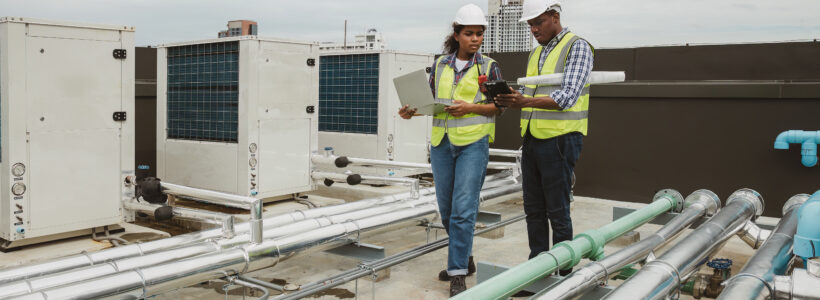
If you want a smooth sale, your HVAC needs to look, smell, and perform like it belongs in a move-in ready home. I have walked plenty of listings where a simple drain clog or a rattling blower gave buyers a reason to ask for credits, push out closing, or walk away. A focused pre-listing check keeps surprises off the inspection report, helps your photos show clean equipment, and gives buyers confidence that the system will carry the summer without drama.
Why HVAC Trips Up Closings
Most buyers do not know compressors from contactors. They focus on how the home feels, what they smell at startup, and what the inspector flags. Humidity, odd noises, and visible rust turn into repair demands. When you handle the small issues before the photographer shows up, you control the narrative and the numbers.
The Goal Of A Pre-Listing HVAC Check
- Prove the system starts, runs, and drains correctly
- Eliminate musty odors and coil slime that show up during showings
- Document age, model numbers, and basic performance so buyers feel informed
- Fix the low-cost items that look big on a report, then present clean, simple paperwork
Quick Checks You Can Do This Week
Replace the filter and seal the rack
Install the correct size filter, then make sure the cabinet door closes tight. Dust streaks around the frame tell buyers the return is leaking. A snug fit looks better and protects the coil.
Clear two feet around the outdoor unit
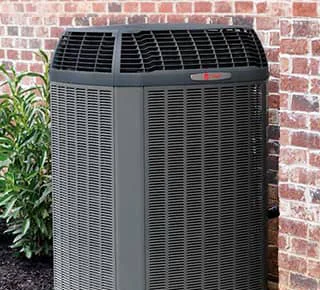
Trim shrubs, remove leaves and grass clippings, and level any tilting decorative blocks near the pad. Clean space signals care and helps the photos.
Flush the drain line and confirm flow
A slow drain makes inspectors nervous. Use an approved condensate cleaner at the cleanout, not household bleach. Verify a steady drip at the termination when the system runs.
Wipe supply and return grilles
Dark streaks at vents come from air leaks and dust. Clean grilles and a light vacuum around them improves the first impression during a walkthrough.
Set the thermostat correctly
Use Cool, Fan Auto, and a realistic set point. Avoid aggressive circulate programs. Buyers should feel cool, dry air within minutes, not a clammy breeze.
What To Expect From A Professional Pre-Listing Visit
A pre-listing visit is shorter than a full tune-up, but it hits the items that move deals.
System identity and condition
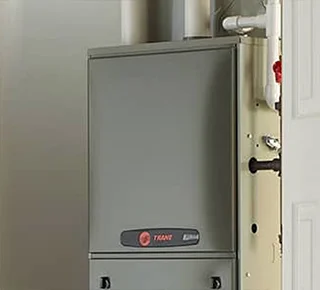
We photograph data plates, record model and serial numbers, and verify refrigerant type. If equipment is beyond typical service life, we note that clearly so you can decide how to position it.
Coil, blower, and drain
We check the evaporator face for dust mats and biofilm, inspect the blower wheel, and clean the drain pan and trap. If the coil needs cleaning, we use the right chemistry and methods so fins stay intact and drain flow is strong.
Outdoor unit health
We clean the condenser coil from the inside out when needed, test capacitors and contactor, inspect wiring and grounds, and confirm the fan motor runs smooth without wobble.
Airflow and static pressure snapshot
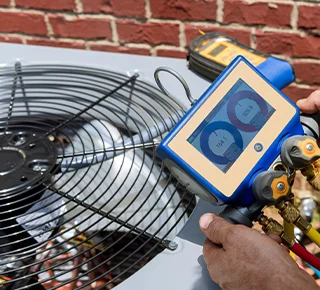
We measure external static pressure and compare to blower tables. High static hints at crushed runs or undersized returns that can cause hot rooms during showings. A quick correction today avoids last-minute renegotiation later.
Temperature split and humidity
We record supply and return temperatures, then check indoor relative humidity with a calibrated meter. Buyers care about comfort. A simple line on your report that shows a solid split and normal humidity goes a long way.
Safety and code items that spook inspectors
We confirm a float switch is installed and working, the electrical disconnect is present, and line insulation is intact. These are small items that look big in a report if they are missing.
Plain-language summary
You receive a short write-up with photos, readings, and any recommended touch-ups, organized by urgency. Hand this to buyers or attach it to your disclosures to answer questions before they come up.
Low-Cost Touch-Ups That Pay Off In Photos And Showings
- Clean or replace rusted return screws and filter door latches
- Add a drip pan tablet after the drain is flushed
- Replace cracked lineset insulation at the outdoor unit
- Re-secure any sagging flex with proper hangers, straighten obvious kinks
- Touch up mastic at leaky return seams and boot gaps
These are small, fast, and they change what people see.
Red Flags To Handle Before You List
Musty burst at startup
That smell usually comes from a dirty coil, a wet pan, or a slow drain. Clean the coil and pan, flush the line, and verify pitch. Do not mask odors with sprays. Buyers notice.
Sweating ceiling boots and rusty grilles
This points to high indoor humidity or poor insulation at the boots. Seal the boots and manage humidity so registers stay dry during showings.
Grinding or rattling noises
A blower wheel out of balance, a failing motor, or loose panels will end up on the inspection report with scary wording. Fix the root cause now.
Iced coil or repeated float trips
Chronic icing or overflow means airflow or refrigerant trouble. Solve it before photos. Nothing slows a deal like a wet closet and a frozen coil the week before closing.
How To Present HVAC To Buyers Without Overpromising
- Share the pre-listing summary with photos and readings
- Disclose age honestly, note any recent services or parts, and include receipts
- If the system is older but running correctly, frame the sale around comfort and documented function, not efficiency claims
- Offer a modest credit for a maintenance plan in the first year instead of a blanket warranty you cannot control
Staging Tips For HVAC Spaces
- Keep the air handler closet clean, with nothing stored against the cabinet
- Label the filter size and date on the door with a neat piece of painter’s tape
- Make sure the outdoor pad area looks tidy, with mulch or stones pulled back to allow airflow
- Leave an easy path for inspectors so they do not have to move boxes or furniture
Timing Your Pre-Listing Check
Do it two to three weeks before photos. That gives you time to handle coil cleaning, drain fixes, or a minor part without compressing your timeline. If a larger issue appears, you can disclose and adjust pricing without last-minute pressure.
Common Questions
Should I replace an older system just to sell?
Not always. If the system is cooling well, humidity is normal, and maintenance records are strong, many buyers will accept age with a clean report and a reasonable credit. Replace when performance is poor, repairs are stacking up, or the system uses a legacy refrigerant that will complicate future service.
Will ductwork issues derail a sale?
Severe duct problems can. Mild high static, one kinked run, or small return leaks are usually straightforward to correct. Show that you measured static pressure and made improvements. Buyers like seeing action, not excuses.
What indoor humidity should I show during a summer showing?
Aim for about fifty percent. It feels crisp, protects finishes, and keeps registers from sweating.
Do inspectors check refrigerant charge?
Most do not. They check function, temperature split, and visible conditions. Documenting a proper split and a clean drain will answer the big questions they care about.
The Bottom Line
A clean, quiet system that starts quickly, drains properly, and holds normal humidity sells confidence. Handle filters, drains, and coils. Seal obvious return leaks. Tidy the outdoor unit and straighten any sagging duct. Get a simple report with photos and real readings, then share it up front. That is how you keep HVAC off the negotiation table and your closing on schedule. Mention of one or two services here: Air Conditioning and Maintenance Plans.
Call To Schedule Your Pre-Listing HVAC Check
If you want a fast, focused inspection with photos and plain-language notes you can hand to buyers, call to get on the calendar. We will document the system, clean what needs cleaning, and give you a short punch list that protects your listing timeline. Florida Air, Inc. will provide the visit, the report, and the follow-through that helps you close without last-minute HVAC surprises.