
Older homes can be great, but the HVAC system is often the wildcard that turns a bargain into a money pit. You do not need to be a technician to spot trouble early. With a flashlight, a few safe checks, and the right questions, you can gauge risk, plan your budget, and decide if the house is worth pursuing.
Start With The Big Questions
Before you climb a ladder or open a closet, ask the listing agent or seller these basics. The answers shape everything that follows.
- How old are the indoor and outdoor units
- Any recent repairs, compressor replacements, or major parts changed
- When was the last professional tune-up
- Are there maintenance records, permits, or warranty documents
- What is the usual summer set point, and does the home hold it on peak afternoons
If the seller cannot answer any of these, assume you will need a deeper inspection and a reserve for repairs.
Quick Exterior Checks In Five Minutes
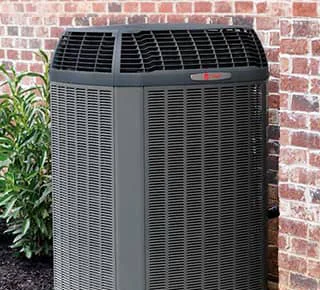
Walk the yard, find the outdoor unit, and look closely.
Cabinet condition
Panels should be secure, straight, and rust-free. Missing screws, bent grilles, or taped panels hint at past damage or rough service.
Coil and fins
Look through the grille. Fins should be clean, not matted with lint or bent flat. Heavy corrosion near the coast, or greasy film in townhomes, points to reduced heat rejection and higher bills.
Pad and clearance
The condenser should sit level on a solid pad, with about two feet of open space on all sides, and nothing stacked on top. A sinking pad, clogged coil, or shrubs pressed against the unit reduce airflow and raise head pressure.
Lineset and disconnect
The larger insulated copper line should have intact insulation all the way to the cabinet. A cracked whip, sun-baked conduit, or missing service disconnect cover is a safety and code concern.
Indoors: Air Handler, Closet, And Attic Tells
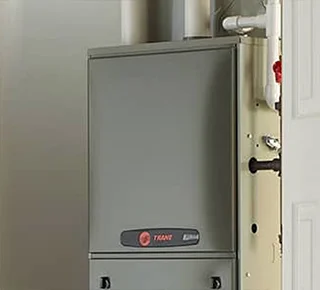
Find the air handler in a closet, garage, or attic. You are looking for age, moisture, and airflow clues.
Manufacture dates and model tags
Snap a photo of both data plates. Most serial numbers encode the year and week. If equipment is 10 to 15 years old, plan for replacement during your ownership.
Rust, water stains, or overflow pans
Rust on the cabinet base, stains in the closet, or a pan under the unit tells you the drain backed up at some point. A float switch near the pan is good, no switch is a cheap fix you will want right away.
Filter cabinet and return seal
Open the filter door. A filter that does not fit tight, dust streaks around the rack, or gaps you can see daylight through means the return is leaking. Leaky returns pull attic air, dust, and humidity, which drives up bills and clogs coils.
Noise and vibration
Have someone set the thermostat to Cool while you stand by the unit. Harsh vibration, squeals, or a delayed start can indicate a failing blower motor, a weak capacitor, or a compressor that struggles at startup.
Duct connections
In the attic, look for kinks, crushed flex duct, loose draw bands, or bare metal collars without mastic. Any of these mean poor airflow and hot rooms, which you will be paying to correct.
Comfort Tests You Can Do During A Showing
You can learn a lot without tools in ten minutes.
- Set the thermostat three degrees cooler and wait five minutes
- Put your hand over a supply grille in several rooms, and over the main return
- Air should feel cool and steady, not a weak drift
- Walk to the far bedrooms and note any temperature difference
- Check doors as you close them, a hard close hints at return problems and pressure imbalance
If the house feels clammy while the thermostat reads your target temperature, humidity control is weak. Plan for duct and control fixes, possibly a dehumidifier.
Odors, Stains, And Other Red Flags
- Musty burst at startup: coil and drain likely need cleaning, and the return may be leaking
- Dark streaks at supply grilles: air leaks around boots, drawing attic dust into rooms
- Sweating around ceiling registers: high indoor humidity, poor insulation at boots, or both
- Burnt electrical smell near equipment: stop, and budget for immediate service
Paperwork That Protects Your Offer
Ask for copies of invoices, permits, and warranty registrations. A system installed without a permit can complicate insurance, appraisals, and resale. If there is a recent compressor change, verify that the indoor coil matches the outdoor unit and the refrigerant type.
Refrigerant Type, SEER2, And What That Means For You
Many older systems use R-22. Supply is limited, and repairs that require refrigerant can get expensive. If the home has an R-22 system and the coil is original, plan your numbers as if a system replacement is likely. For newer gear, SEER2 ratings matter in the long run, but duct health, returns, and commissioning matter more on your monthly bill than a label alone.
Five Common Problems We Find In Older Florida Homes
1) Oversized equipment and short cycling
The unit cools fast, shuts off, and leaves humidity behind. Rooms feel cool, then clammy. Bills climb. The fix is right sizing and better airflow.
2) Undersized or leaky returns
A single small return in a large home starves airflow. Leaks pull attic air and fiberglass dust. Expect coil cleaning, a sealed filter cabinet, and added return capacity.
3) Crushed or poorly routed flex duct
Tight bends, long unsupported runs, and crushed sections raise static pressure. You get noise, hot rooms, and higher energy use. Corrected runs and new hangers make a real difference.
4) Dirty evaporator coil and blower wheel
Years of bypass dust create a film that insulates the coil and loads the blower. Cleaning restores cooling, lowers humidity, and prevents icing.
5) Slime in the drain pan and trap
Slow drains trip float switches, soak closets, and feed musty odors. Proper cleaning, a cleanout tee, and a float switch are inexpensive upgrades.
What A Pre-Offer HVAC Check Should Include
If you are serious about the house, a focused HVAC inspection removes guesswork. Here is what you should expect from a professional visit.
- Photos of data plates, model numbers, and serials
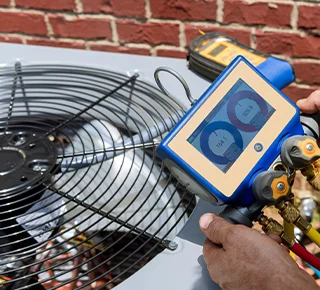
- Static pressure readings, blower settings, and a quick duct assessment
- Temperature split across the coil, indoor humidity, and thermostat settings
- Visual coil, blower, and drain inspection, with photos
- Outdoor capacitor, contactor, fan motor, and compressor amp tests
- Refrigerant diagnostics, superheat and subcooling readings when conditions allow
- A short written summary with immediate needs, near-term risks, and budget options
Budgeting For An Older System
Plan three buckets: immediate safety and function, efficiency and comfort, and future replacement.
- Immediate: float switch, drain cleaning, coil cleaning, proper filter cabinet, return sealing
- Efficiency and comfort: added return, duct fixes, thermostat programming for humidity control
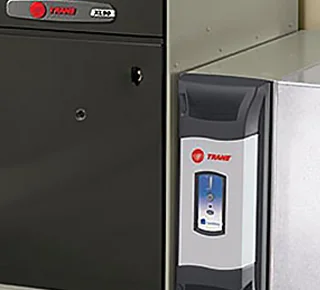
- Replacement: right-sized system, variable or two-stage where it fits, sealed media cabinet, surge protection, and commissioning
Even modest fixes on returns and ducts can change how the home feels within a day, and they protect any new system you install later.
Negotiation Tips That Keep Deals Moving
- Bring the inspection report and photos, then ask for seller credits rather than repairs by unknown contractors
- If the system is older than ten years, request a credit toward replacement rather than a last-minute condenser swap
- If there is no permit history on a recent install, ask for a closing credit to cover an electrical and mechanical check after you move in
- Keep requests simple, specific, and focused on safety, function, and moisture control
Simple Tools To Bring To A Showing
- Small flashlight
- Phone or notepad for photos and model numbers
- Compact hygrometer to check indoor relative humidity
- Disposable dust mask if you plan to peek into the attic
Frequently Asked Questions
Can I rely on the home inspector for HVAC
Home inspectors are generalists. They spot obvious issues, but they usually do not measure static pressure, refrigerant targets, or blower settings. A dedicated HVAC check is cheap insurance.
How much does ductwork matter compared to a new unit
A lot. Lowering static pressure, sealing returns, and fixing crushed runs often does more for comfort and bills than a high-efficiency box alone.
What indoor humidity should I expect
Around 50% is a solid target. If a lived-in home sits at 60% or higher, budget for sealing, coil and drain service, and possibly a whole-home dehumidifier.
Is a rusty drain pan a deal breaker
Not by itself. Replace the pan, add a float switch and cleanout, then plan routine maintenance. If rust is paired with closet damage or mold, expand the scope.
The Bottom Line
Older homes can be a smart buy if you know what you are walking into. Look for solid equipment placement, tight returns, clean coils and drains, and ducts that move air without fights or kinks. Confirm age, service history, and permit records. If anything feels off, order a focused HVAC check and use the findings to negotiate. Florida Air, Inc. can provide that pre-offer assessment so you can bid with confidence and avoid surprise costs after closing.
Call For A Pre-Offer HVAC Check
Ready to walk a property with expert eyes, or need a same-week assessment before you submit an offer? Call our team to schedule a targeted HVAC inspection that documents risks, outlines fixes, and gives you clear numbers to use in negotiations. We offer after-hours emergency service, free in-home estimates on new systems, and a 30-day warranty on service repairs. Ask about maintenance plans and 10-year parts coverage on new installations. Your comfort is our business, and we are your hometown team for hometown service.