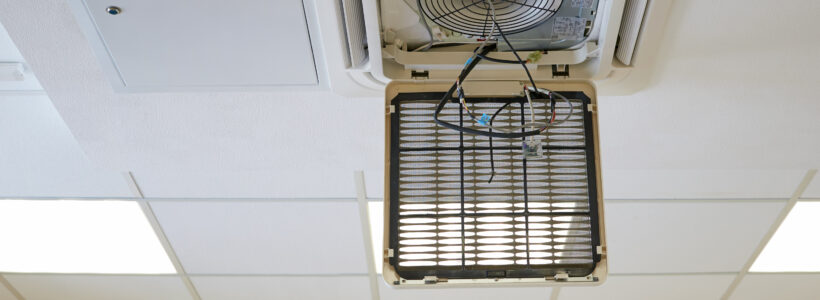
Your air conditioner just stopped working, and it’s 90 degrees outside with humidity that feels like you’re swimming through the air. If you’re a Florida resident, you know this isn’t just uncomfortable — it can quickly become dangerous for your family, especially children, elderly relatives, and pets. When your AC breaks down during a Florida summer, every minute counts.
Here’s your complete action plan for surviving an AC breakdown and getting your cooling back as fast as possible.
Immediate Steps: First 15 Minutes
1. Check Your Thermostat Settings
Before you panic, make sure your thermostat is set to “cool” and the temperature is set lower than the current room temperature. Sometimes someone accidentally switches it to “heat” or “off” without realizing it.
2. Inspect Your Circuit Breaker
Head to your electrical panel and check if the breaker for your AC unit has tripped. If it has, flip it back on. However, if it trips again immediately, don’t keep resetting it — this indicates a serious electrical issue that needs professional attention.
Warning: Never repeatedly reset a tripping breaker. This is a safety feature protecting your home from electrical fires or equipment damage.
3. Check Your Air Filter
A severely clogged air filter can cause your system to shut down. Pull out your filter and hold it up to the light. If you can’t see light through it, replace it immediately. This simple fix solves the problem about 15% of the time.
4. Examine Your Outdoor Unit
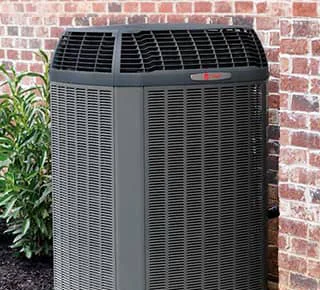
Step outside and look at your condenser unit. Is it running? Do you hear any unusual sounds? Check for obvious issues like debris blocking the unit, plants growing too close, or visible ice formation.
Keeping Your Family Safe and Cool
While you work on getting your AC fixed, you need to protect your household from the dangerous heat. Florida’s combination of high temperatures and humidity can cause heat exhaustion or heat stroke quickly.
Immediate Cooling Strategies:
- Close blinds and curtains on all sun-facing windows to block direct heat
- Create cross-ventilation by opening windows on opposite sides of your home
- Use fans strategically — ceiling fans should spin counterclockwise in summer, and box fans placed in windows can push hot air out
- Stay hydrated — everyone should drink water every 30 minutes, even if they’re not thirsty
- Move to the coolest room — usually the one with the fewest windows and on the lowest floor
- Avoid using heat-generating appliances like your oven, dryer, or dishwasher
- Take cool showers to lower body temperature
- Wet towels and place them on your neck and wrists to cool down quickly
For Pets: Make sure your pets have access to cool water, shade, and consider putting them in the coolest room. Watch for signs of overheating like excessive panting, drooling, or lethargy.
When to Call for Emergency HVAC Service
Some AC problems can wait until morning, but Florida’s extreme heat means many breakdowns require immediate professional help. Call for emergency service if:
- You have elderly family members, infants, or anyone with health conditions in the home
- The outdoor temperature is above 90°F and rising
- It’s nighttime and temperatures won’t drop below 80°F
- You’ve checked the basics (thermostat, breaker, filter) and nothing works
- Your AC is making loud grinding, squealing, or banging noises
- You smell burning plastic or electrical odors
- You see ice forming on your indoor or outdoor unit
- Your circuit breaker keeps tripping
Common AC Problems in Florida Heat
Frozen Evaporator Coils
Ironically, your AC can freeze up in hot weather. This happens due to restricted airflow (dirty filters), low refrigerant, or dirty coils. If you see ice, turn off your system and let it thaw completely before calling for service — this can take 2-4 hours.
Refrigerant Leaks
Low refrigerant doesn’t just make your AC less effective — it can cause the system to shut down completely. Signs include ice on the lines, hissing sounds, and a system that runs constantly but doesn’t cool. This requires professional repair and cannot be fixed as a DIY project.
Capacitor Failure
Capacitors help start your AC’s motors, and Florida’s heat causes them to fail more frequently than in cooler climates. If your outdoor unit hums but doesn’t start, or if it starts then shuts off quickly, you likely need a capacitor replacement.
Compressor Issues
The compressor is your AC’s heart, and it works overtime in Florida’s heat. If your outdoor unit isn’t running at all, isn’t making noise, or is tripping your breaker, you might have compressor problems — one of the most serious (and expensive) AC issues.
What to Tell Your HVAC Technician
When you call for service, having the right information helps technicians diagnose problems faster and bring the right parts. Be ready to share:
- When the AC stopped working and what you were doing at the time
- Any unusual sounds, smells, or visible issues
- Your unit’s age and when it was last serviced
- Whether the outdoor unit is running
- If you checked the filter, thermostat, and breaker
- Any recent weather events (power outages, storms)
Temporary Cooling Solutions
If you’re waiting for repairs and need to buy some time, consider these options:
Portable Air Conditioners
Home improvement stores often have portable AC units in stock during summer. While they won’t cool your whole house, they can make one room livable. Set it up in your bedroom so you can at least sleep comfortably.
Hotel or Friend’s House
For vulnerable family members or if repairs will take more than 24 hours, temporarily relocating to air conditioning might be necessary. This isn’t giving up — it’s prioritizing health and safety.
Community Cooling Centers
Many Florida cities open cooling centers during extreme heat. Libraries, malls, and community centers offer free air-conditioned spaces during the hottest parts of the day.
Preventing Future Breakdowns
Once your AC is fixed, take steps to prevent another breakdown during hot weather:
- Schedule preventive maintenance twice a year — before summer and before winter
- Change filters monthly during heavy-use months
- Keep the outdoor unit clear of debris, plants, and obstructions
- Don’t push your system — setting the thermostat extremely low makes it work harder without cooling faster
- Upgrade if your system is over 10-15 years old — older units are far more likely to fail during peak demand
- Consider a maintenance plan — regular professional care catches small problems before they become expensive emergencies
Florida Fact: AC systems in Florida work nearly year-round and face more stress from heat and humidity than units in most other states. This means they wear out faster and need more frequent maintenance.
How Long Should Repairs Take?
The timeline varies by problem:
- Simple fixes (capacitor, thermostat, filter) — 30 minutes to 2 hours
- Refrigerant recharge — 1-3 hours, but requires finding the leak
- Coil cleaning — 2-3 hours
- Fan motor replacement — 2-4 hours
- Compressor replacement — 4-8 hours, sometimes requires ordering parts
Emergency repairs during peak summer often take longer due to high demand. Many HVAC companies prioritize homes with vulnerable residents or the most severe situations.
Frequently Asked Questions
How hot is too hot to stay in my house?
If indoor temperatures exceed 85°F and continue rising, especially with high humidity, it’s becoming dangerous. Watch for heat exhaustion symptoms: headache, dizziness, nausea, rapid heartbeat, or confusion. Children and elderly are especially vulnerable.
Will my homeowner’s insurance cover AC repairs?
It depends on why it broke down. Sudden mechanical failures are sometimes covered, but lack of maintenance typically isn’t. Check your policy or call your insurance company to confirm.
Should I turn off my AC while waiting for repairs?
If it’s running but not cooling well, you can leave it on. If it’s making strange noises, smells like burning, or keeps tripping the breaker, turn it off immediately to prevent further damage.
Can I fix my AC myself?
You can safely check the filter, thermostat, and breaker, but AC repairs require specialized tools, refrigerant handling licenses, and electrical knowledge. DIY attempts often make problems worse and more expensive to fix.
How much will emergency AC repair cost?
Emergency service calls typically cost $150-300 just for the visit, with repairs ranging from $200 for simple fixes to $1,500+ for major component replacements. However, the alternative — heat-related illness or property damage — can cost far more.
What if I can’t afford emergency repairs right now?
Many HVAC companies offer financing options for emergency repairs. Ask about payment plans, and explain your situation — some companies work with customers facing financial hardship, especially when health and safety are at risk.
The Bottom Line
An AC breakdown in Florida’s 90-degree heat is a legitimate emergency, not just an inconvenience. Your priority is keeping your family safe while getting professional help as quickly as possible. Don’t wait for the situation to become dangerous — the sooner you call for service, the sooner you’ll be back to comfortable temperatures.
Remember, your AC works harder in Florida than almost anywhere else in the country. Regular maintenance isn’t optional — it’s essential protection against breakdowns when you need cooling most.