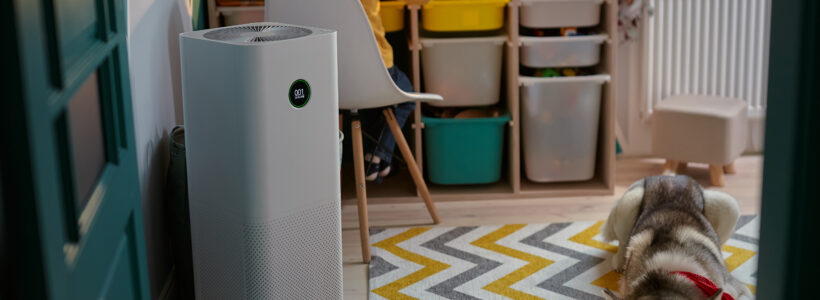
If your home finally feels dry and comfortable after adding a whole home dehumidifier, you made a smart move for our Florida climate. Now the question is how to keep it running like new. These units are built for long service, but they do have filters, drains, and controls that need attention. A little care goes a long way. I will walk you through what to do monthly, what to do seasonally, and what we check on a professional visit so you get steady humidity control and fewer surprises.
Why Maintenance Matters For Dehumidifiers In Florida
A dehumidifier is a refrigeration system, just like your air conditioner. It pulls air through a filter, cools that air across a coil to condense moisture, and drains the water away. When filters clog or drains slime up, capacity drops. The unit runs longer, uses more power, and the house creeps back into the sticky zone. Proper maintenance keeps humidity near 50 percent, prevents musty odors, and lowers strain on your AC by handling the moisture load it was built to handle.
Owner Checklist You Can Do Without Tools
Check and clean the dehumidifier filter
Most whole home units have a washable or replaceable filter at the air inlet. Pull it monthly during peak season. If it is washable, rinse with cool water, let it dry, and reinstall. If it is a disposable media, replace it per the label. A clean filter protects the coil and preserves airflow.
Confirm the drain is flowing
With the unit running, look for a steady drip at the condensate termination outside or into the dedicated drain. If you have a cleanout tee on the drain, remove the cap and make sure water is moving. A slow drain is a warning sign. Do not pour household bleach into the line. Use an approved condensate cleaner or let us flush it properly.
Inspect the flexible duct connections
If your unit is tied to a dedicated return and supply, make sure the flex connections are tight and the insulation is in good shape. Loose bands or gaps pull hot attic air in and reduce performance.
Keep the area around the unit clear
These units need breathing room for service and airflow. Do not stack boxes or lawn gear against the cabinet or the intake grille.
Verify the humidity set point
Most Florida homes feel best between 45 and 55 percent. Set 50 percent as a solid starting point. If you recently lost power, confirm the set point did not reset.
Seasonal Tasks To Put On Your Calendar
Spring start up
- Clean or replace the dehumidifier filter
- Flush the condensate line with an approved cleaner at the cleanout
- Check the trap is present and primed to prevent air draw
- Inspect the cabinet and duct seals for gaps or cracks
- Verify your humidistat or thermostat dehumidify function is calling correctly
Mid summer check
- Clean the filter again
- Confirm drain flow, especially after storms and power flickers
- Wipe dust from the cabinet and check for vibration or unusual noise
- Make sure attic insulation and vapor barrier around new ducts are intact
Fall and winter
If you keep the unit active for shoulder seasons, leave the set point at 50 percent. If you plan to turn it off, shut it down at the control, but leave the drain clear and the unit accessible. Do not bag or wrap the cabinet.
Signs Your Dehumidifier Needs Service
- Humidity climbs above the set point and stays there
- The unit runs a long time but the house still feels heavy
- You hear new rattling or a grinding fan noise
- The cabinet is cold to the touch and sweating on the outside
- Water is backing up into the auxiliary pan or a float switch has tripped
- A fault or filter light will not clear after cleaning the filter
Any of these means it is time to schedule a visit. Catching small issues early keeps parts from failing during peak humidity.
What A Professional Maintenance Visit Includes
Airflow and filter system
We remove and clean the air filter or replace it with the right part. We check the return grille or duct for obstructions and verify that the flex connections are sealed with draw bands and mastic.
Coil and interior cleaning
We open the cabinet and inspect the evaporator and condenser sections. If we see film or bio growth on the coil, we use the right non acidic cleaner and gentle methods. Clean coils restore moisture removal and protect the compressor.
Condensate system service
We vacuum and flush the drain line at the cleanout, treat the trap with an approved cleaner, and confirm a strong, steady flow. We test the float switch and replace brittle tubing or cracked fittings.
Electrical and controls check
We test amp draws, verify voltage, and inspect connections. We check the humidistat accuracy, confirm that calls from the thermostat or control panel reach the unit, and update firmware where supported.
Duct sealing and insulation touch up
We inspect all added duct for leaks, sag, or missing insulation. Any new duct in a hot attic must be sealed and insulated to prevent sweating. We seal gaps at boots or collars so dry air reaches the rooms that need it.
System integration
If your dehumidifier is interlocked with your air handler, we confirm the blower strategy is correct. Some setups bring the blower on with the dehumidifier to distribute dry air. We make sure the two do not fight each other and that the AC does not overcool while the dehumidifier is running.
Final performance check
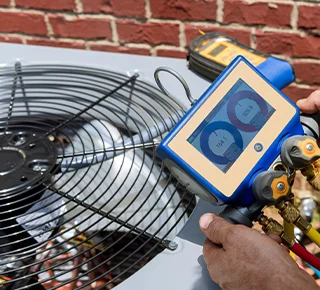
We measure inlet and outlet humidity and temperature, confirm capacity is in range, and verify the unit cycles down properly at the target set point. You get photos, readings, and simple recommendations.
How Dehumidifier Care Protects Your AC
A healthy dehumidifier shortens AC run time, reduces wet hours on the evaporator coil, and keeps the drain pan cleaner. That means fewer algae clogs, less musty odor at startup, and less short cycling at night. Your AC focuses on temperature control, while the dehumidifier handles moisture. The result is steadier comfort at a slightly higher thermostat setting, which saves energy over the season.
Troubleshooting Tips You Can Try Before You Call
Unit runs but indoor humidity will not drop
- Check and clean the filter
- Make sure all supply and return doors and grilles are open
- Confirm the set point is 50 percent and the sensing location is not blocked by furniture
- If weather is very wet, give the unit a few hours. Humidity control is a steady process, not instant
Unit does not run at all
- Confirm the breaker or disconnect is on
- Check for a tripped float switch in the drain
- Make sure the control panel is not in standby
- If your thermostat controls the dehumidifier, verify the dehumidify mode is enabled in the menu
Water around the cabinet
- Turn the unit off
- Look for a disconnected or clogged drain line
- Empty any auxiliary pan and call for service. Do not keep running a unit that is overflowing
Common Owner Questions
How often should I replace the dehumidifier filter
Washable screens should be rinsed monthly during peak season. Disposable media filters usually last 3 to 6 months depending on dust and pets. Check the manual or let us match the exact model.
Do I need to run the dehumidifier in winter
If indoor humidity stays below 55 percent without it, you can reduce run time or shut it off. In many Florida homes, spring and fall are the key seasons because the AC runs less but humidity stays high.
Will maintenance lower my power bill
Yes. Clean filters, free flowing drains, and clean coils let the unit reach set point faster. The AC then cycles less, and you often feel comfortable at a higher thermostat setting.
Can I raise the set point above 55 percent to save energy
You can, but comfort and mold control tend to suffer. Fifty percent is a solid target in our market.
Should I add a UV light
A UV system aimed at the wet side of the dehumidifier’s coil can slow bio growth between services. It does not replace cleaning, but it helps keep surfaces fresher.
Best Practices To Extend Equipment Life
- Keep indoor doors slightly open so air returns freely to central areas
- Use bathroom and kitchen exhaust fans to remove moisture at the source
- Seal return leaks on your main HVAC system so attic air is not pulled into the duct network
- Pair the dehumidifier with a tight, sealed filter cabinet on the air handler
- Add surge protection at the main panel and the HVAC disconnect to protect boards during storms
When To Consider Repair Or Replacement
Most quality units run many seasons with routine care. Consider repair when a single part like a float switch, fan motor, or control board fails. Consider replacement when the compressor is failing, the coil is leaking, or the unit is out of warranty and repairs stack up. If your home changed, like an addition or a new tightness level after window or insulation upgrades, we will also recheck sizing before any replacement.
The Bottom Line
A whole home dehumidifier is one of the best comfort upgrades you can make in Florida. Keep the filter clean, keep the drain clear, and let a pro check the coil and controls once a year. Do that, and your indoor air will stay dry and steady, your AC will run easier, and the house will feel better day and night.
Call Florida Air, Inc.
If you want a seasonal dehumidifier tune up or you need help with a slow drain, we can help. Call Florida Air, Inc. for a whole home dehumidifier inspection, cleaning, and control setup. We offer after hours emergency service, free in home estimates on new systems, and a 30 day warranty on service repairs. Ask about our maintenance plans and our 10 year parts warranty on new installations. Your comfort is our business, and we are your hometown team for hometown service.