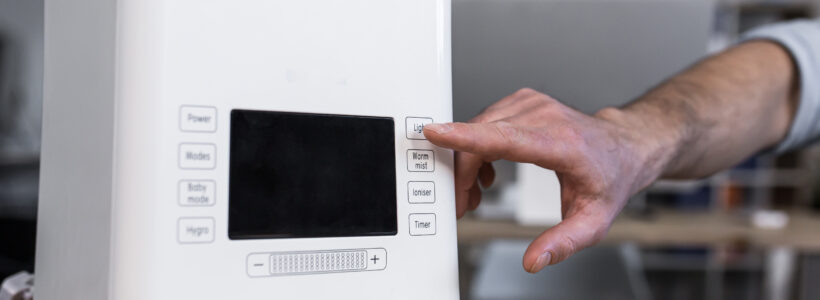
I have walked into plenty of homes that felt cool but sticky. In Florida, that usually means the air conditioner is carrying the temperature, while humidity gets a free pass. A whole-home dehumidifier fixes the balance, but only when it is sized and set up correctly. Go too small and it runs constantly without hitting the target. Go too big and it short cycles, wastes power, and leaves some rooms damp. Here is a practical way to pick the right capacity, plus the install and control tips that make the numbers work in the real world.
Why Sizing Matters More Than The Sticker
A dehumidifier is a refrigeration system that moves moisture out of your air. Capacity is listed in pints per day. The right size is about matching your home’s latent load, not just square footage on a brochure. Latent load changes with infiltration, showers, cooking, laundry, and even the way doors are used. That is why two houses with the same floor area can need very different capacities.
A Simple Sizing Method You Can Trust
Use this step-by-step approach as a starting point. It gets you close enough to choose models for a proper quote and avoids the common mistake of guessing by square footage alone.
Step 1: Choose a solid target humidity
Aim for 50 percent relative humidity in living areas. That feels crisp, protects finishes, and helps your AC run fewer hours.
Step 2: Start with a baseline by home size
- Up to 1,500 sq ft, start around 70 to 80 pints per day
- 1,500 to 2,500 sq ft, start around 90 to 110 pints per day
- 2,500 to 3,500 sq ft, start around 120 to 150 pints per day
- Over 3,500 sq ft, consider 150 to 200+ pints per day or two smaller units serving separate zones
These ranges assume a typical Florida envelope with average infiltration.
Step 3: Add real-world “moisture adders”
- Construction age before modern air sealing, add 10 to 20 pints
- Large household, more than four regular occupants, add 10 to 20 pints
- Frequent showers, cooking, and laundry, add 10 pints
- Crawlspace or slab with known moisture issues, add 10 to 30 pints
- Pool bath entries, frequent exterior door use, add 10 pints
- High-use bonus room over garage or sunroom, add 10 pints
Step 4: Subtract when the envelope is tight
- Newer spray-foamed attic and tight envelope verified by blower door, reduce 10 to 20 pints
Step 5: Check airflow reality
A whole-home dehumidifier needs enough air to do its job. Most 70 to 100 pint units want roughly 200 to 300 CFM, and 120 to 200 pint units often want 300 to 500 CFM. If your returns are undersized or static pressure is already high, plan a return upgrade or a dedicated return for the dehumidifier. Without airflow, capacity on paper does not reach the rooms that need it.
Two quick examples
Example A, 2,100 sq ft, 5 occupants, older home with crawlspace
Baseline 90 to 110 pints. Add 10 pints for five occupants, add 20 for crawlspace, total 120 to 140 pints. Choose a 130 to 150 pint unit tied into the main return with a dedicated return from the damp side of the home.
Example B, 2,600 sq ft, tight envelope, 3 occupants, frequent cooking
Baseline 120 to 150 pints. Subtract 10 to 20 pints for tight construction, add 10 pints for cooking and laundry. Net 110 to 140 pints. Depending on floor plan, a 120 to 130 pint unit is a strong fit.
Ducted, Bypass, Or Stand-Alone
Fully ducted to the return
This is the most common setup. The dehumidifier pulls air from a dedicated return or the main return, dries it, and sends it back into the supply plenum or a supply trunk. Pros, even distribution and good mixing. Watch static pressure, seal everything, and use a proper backdraft damper.
Bypass to a central area
Air is pulled from a central return and blown into a nearby supply or hallway. Pros, simpler. Cons, rooms at the edges may lag unless the central system blower is interlocked.
Stand-alone in a problem zone
Useful for finished garages, sunrooms, or bonus rooms. Pros, direct control of the space. Cons, separate maintenance and no whole-home benefit.
Integration With The Central System
- Interlock the air handler blower to run at low speed when the dehumidifier calls, unless the dehumidifier is fully ducted with its own supply. This distributes dry air and prevents cold pockets in the return.
- Keep fan set to Auto at the thermostat. Continuous fan can re-evaporate moisture off a wet coil and fight your target.
- If your AC supports dehumidify mode, let the thermostat slow the blower briefly at the end of cooling calls. This dries the coil and reduces musty odor without raising bills.
Why Oversizing And Undersizing Both Hurt
Undersized
Runs long hours, struggles to break 55 percent, and leaves rooms sticky on stormy days. The central AC ends up running cooler set points to hide the problem, which raises bills.
Oversized
Short cycles, misses distant rooms, and can cause temperature swings near the return. You pay for capacity you cannot use. If you are on the fence between two sizes, choose the higher capacity only when airflow and distribution are designed to match it.
Return And Filter Strategy
Dehumidifiers hate pressure. Give them a low-resistance path.
- Install a sealed 4 to 5 inch media cabinet on the main return. A tight, deep filter lowers resistance and protects the AC coil and blower.
- If the dehumidifier has its own filter, keep it on schedule and make sure its return grille is not blocked by furniture or boxes.
- Seal the filter rack so attic air is not pulled in around the frame. Bypass dust loads coils and reduces sensible and latent performance.
Controls And Set Points That Work Here
- Set the dehumidifier to 50 percent and leave temperature control to the thermostat.
- Avoid aggressive circulate programs at the thermostat. Let the AC coil drain between cycles.
- If your control offers ventilation options, be careful with how much outside air you bring in during peak humidity. Coordinate with the dehumidifier so you are not importing more moisture than you can remove.
Installation Details That Protect Capacity
- Use smooth, short duct runs with gentle elbows, not tight flex bends.
- Seal all joints with mastic, not tape alone.
- Add a cleanout tee and a proper trap on the condensate line.
- Route the drain to daylight or a code-approved termination, and test flow before you close the attic.
- Insulate cold sections to prevent sweating on wood or drywall.
Commissioning: Numbers You Should See
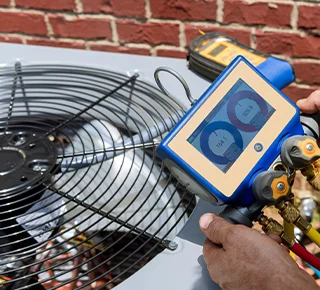
A good commissioning visit records airflow, temperature, and humidity changes.
- Inlet and outlet air temperature and relative humidity across the dehumidifier
- Delivered CFM and external static pressure of the air handler with the dehumidifier interlocked
- Whole-home humidity trend over the first 24 to 48 hours after startup
Ask for photos and a short sheet with readings. When numbers are documented up front, it is easy to keep performance steady season after season.
Maintenance That Keeps Capacity High
- Rinse or replace the dehumidifier’s filter every one to three months in peak season.
- Flush the condensate line at the cleanout twice per year and confirm flow.
- Wipe dust off the cabinet and confirm the return grille is clear.
- Schedule a spring tune-up for the AC coil and blower so the system can distribute dry air without a fight.
Adding a properly sized dehumidifier helps your indoor air quality, and it lets your air conditioning system run shorter, steadier cycles on the hottest afternoons.
Common Questions
How many pints per day do I really need?
Most Florida homes land between 90 and 150 pints per day, depending on size, envelope tightness, occupants, and lifestyle. Use the baseline and adders above, then confirm with airflow and a layout check.
Can a dehumidifier be too big?
Yes. Oversized units short cycle, waste energy, and leave some rooms damp because they do not run long enough to distribute dry air. Match capacity to the load and make sure the duct plan supports it.
Should the dehumidifier have its own return?
In larger or spread-out homes, a dedicated return from the damp side of the house helps. In smaller homes with a central return, tying into the main return can work fine if static pressure is healthy.
What humidity set point should I use?
Start at 50 percent. If the home is very tight, you can try 45 to 50 percent. Going lower rarely feels better and can raise power use.
Do I need to run the central blower with the dehumidifier?
If the unit is not fully ducted to supply branches, interlocking the blower at low speed during dehumidifier calls improves distribution and results.
Will a whole-home dehumidifier lower my power bill?
Usually, yes. Dry air feels cooler, so most families can raise the thermostat one or two degrees. Your AC runs fewer hours, coils stay cleaner, and short cycling drops.
The Bottom Line
Pick capacity with a method, not a guess. Start with the baseline, add real-world moisture sources, confirm airflow, and plan the duct path so dry air reaches the rooms that need it. Get the drain, filter, and controls right and you will hold 50 percent humidity on stormy afternoons without chasing the thermostat down.
Call For Sizing And Setup
If you want a room-by-room look at your humidity load, plus a duct and return plan that protects performance, call to schedule an in-home assessment. We will size the unit, design the airflow, and commission it with numbers you can keep. Florida Air, Inc. will handle the visit, the install, and the follow-through so your home feels crisp without wasting power.