It seems impossible — your air conditioner literally freezing up when it’s 95 degrees outside. Yet this is one of the most common AC problems Florida homeowners face during the hottest months. You might notice ice forming on your indoor unit, reduced cooling, or water dripping from your vents. Despite the irony, a frozen AC is a serious problem that won’t resolve itself and will only get worse if ignored.
The good news? Once you understand why AC units freeze, you can often prevent it from happening again. Some causes have simple DIY fixes, while others require professional attention. Let’s break down exactly what’s happening, why it matters, and how to get your system back to cooling your home properly.
What Does a “Frozen AC” Actually Mean?
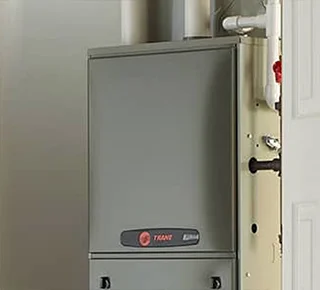
When HVAC technicians say an AC is “frozen,” they’re referring to ice buildup on the evaporator coil — the part of your indoor unit that actually removes heat from your air. This coil should be cold (around 40°F), but it should never have visible ice or frost on it.
Ice can form on:
- The evaporator coil inside your air handler
- The refrigerant lines running between your indoor and outdoor units
- The copper tubing connecting components
- Sometimes even the outdoor condenser unit
When ice accumulates, your AC can’t absorb heat from your home. The system works harder while cooling less effectively, eventually shutting down completely to prevent compressor damage.
The Three Main Causes of AC Freeze-Up
Every frozen AC comes down to one problem: the evaporator coil is getting too cold. This happens for three fundamental reasons, all of which are common in Florida’s climate.
1. Restricted Airflow (The #1 Cause)
Your evaporator coil needs constant warm air flowing across it to function properly. When airflow drops, the coil temperature plummets below freezing, and moisture in the air freezes on contact.
Common airflow restrictions:
- Dirty or clogged air filters (causes 80% of residential freeze-ups)
- Closed or blocked supply vents and return grills
- Dirty evaporator coil covered in dust or mold
- Collapsed or disconnected ductwork
- Undersized or failing blower fan
- Crushed flexible ducts in attic or crawl spaces
In Florida, where AC systems run almost constantly and air filters catch more dust and pollen than in drier climates, filter-related freeze-ups are especially common during summer.
2. Low Refrigerant Levels
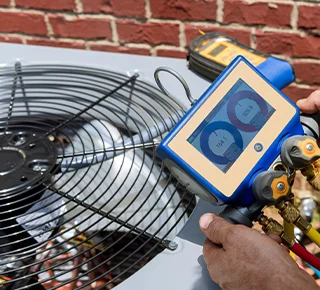
Refrigerant is the substance that actually absorbs heat from your air. When your system is low on refrigerant (due to a leak), pressure drops in the evaporator coil. Lower pressure means lower temperatures, and soon you have ice formation.
Signs of refrigerant problems:
- Ice on the refrigerant lines going to the outdoor unit
- Hissing or bubbling sounds from the refrigerant lines
- The system runs constantly but doesn’t cool well
- Higher than normal electric bills
- Oily residue near refrigerant line connections
Important: Refrigerant doesn’t get “used up” like gas in a car. If you’re low on refrigerant, you have a leak that needs repair. Simply adding more refrigerant without fixing the leak wastes money and harms the environment.
3. Mechanical Failures
Sometimes the problem isn’t airflow or refrigerant — something in your system has mechanically failed:
- Blower motor problems — If the fan that moves air across your coil slows down or stops, ice forms rapidly
- Faulty thermostat — Incorrect temperature readings can cause the system to over-cool
- Stuck contactor or relay — The system runs continuously without cycling off
- Defective expansion valve or metering device — These control refrigerant flow; when they malfunction, too much refrigerant enters the coil
- Dirty condenser coil — When your outdoor unit can’t release heat properly, it affects the whole system
How to Diagnose What’s Causing YOUR Freeze-Up
Before calling for service, you can often identify the cause yourself. Here’s how to troubleshoot:
Step 1: Turn Off Your System Immediately
Set your thermostat to “OFF” (not just a higher temperature). A frozen AC that keeps running will damage the compressor — a $1,500+ repair. Let the ice thaw completely, which takes 2-4 hours depending on how much ice accumulated.
While waiting for the thaw:
- Set your thermostat fan to “ON” (not “AUTO”) to speed up thawing
- Place towels around the indoor unit to catch dripping water
- Check the condensate drain pan — if it’s full or overflowing, you may have a clog
Step 2: Check Your Air Filter
This is the single most important check. Pull out your air filter and hold it up to the light:
- Can’t see light through it? The filter is too dirty and needs immediate replacement
- Noticeably dirty but some light passes? Replace it anyway — you’re overdue
- Looks clean? The problem is elsewhere
In Florida, air filters should be checked monthly and replaced every 1-2 months during heavy use seasons. If you have pets, smoke indoors, or live in a dusty area, replace them even more frequently.
Step 3: Inspect All Your Vents
Walk through your home checking every supply vent (the ones blowing cold air) and return grill (the ones sucking air in):
- Are they open and unobstructed?
- Is furniture, curtains, or storage blocking them?
- Do you have more than 20% of vents closed? (This significantly restricts airflow)
- Are the vent covers clean or covered in dust?
Step 4: Look at the Evaporator Coil (If Accessible)
Some air handlers have a removable panel that lets you view the evaporator coil. If you can access it safely, look for:
- Visible dirt, dust, or mold on the coil fins
- Bent or damaged fins
- Signs of previous ice formation (water marks, corrosion)
If the coil looks dirty, this is your problem. Professional coil cleaning is needed.
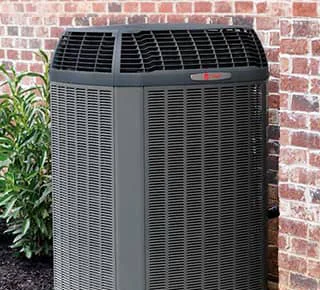
Step 5: Check Your Outdoor Unit
Go outside and observe your condenser unit:
- Is it running when your indoor unit is on?
- Is the fan spinning?
- Are the fins clean or packed with dirt, grass, and debris?
- Is there at least 2 feet of clearance around all sides?
A dirty or non-functional outdoor unit prevents heat release and can cause the indoor coil to freeze.
DIY Fixes You Can Try Right Now
Once your system has thawed completely, try these solutions based on what you found:
For Dirty Filter Problems:
- Install a new filter of the correct size and MERV rating (MERV 8-11 for most homes)
- Set a reminder to check it again in 30 days
- Consider upgrading to a smart thermostat that reminds you about filter changes
- Turn your system back on and monitor for 2-3 hours
For Blocked Vent Problems:
- Open all vents throughout your home
- Move furniture and objects away from vents and returns
- Vacuum vent covers to remove dust buildup
- Ensure return air grills have clear pathways
- Restart your system and verify proper cooling
For Dirty Outdoor Unit:
- Turn off power at the disconnect box
- Gently spray the condenser fins from inside out with a garden hose (never use a pressure washer)
- Remove leaves, grass, and debris from around and inside the unit
- Cut back vegetation to maintain 2-3 feet of clearance
- Let the unit dry, restore power, and test
For Thermostat Issues:
- Replace the batteries if it’s battery-powered
- Check that it’s set to “COOL” mode
- Verify the temperature setting is at least 5°F below room temperature
- Clean the thermostat (dust can affect sensors)
When to Call a Professional
Some freeze-up causes require professional HVAC service. Call immediately if:
You need emergency service if:
- Ice reforms within hours of thawing and filter replacement
- You hear hissing, bubbling, or grinding sounds
- Your circuit breaker keeps tripping
- You smell burning or unusual chemical odors
- The system won’t turn on at all after thawing
- You see oil spots around refrigerant lines
- Ice appears on the outdoor unit or refrigerant lines
You need routine service if:
- The evaporator coil is visibly dirty and needs cleaning
- Your blower motor makes unusual sounds or runs slowly
- You’ve never had refrigerant levels checked
- The system is more than 3 years old and hasn’t been professionally serviced
- You’ve had multiple freeze-ups this season
- Your energy bills have increased significantly without explanation
Preventing Future Freeze-Ups
Once you’ve fixed the immediate problem, these strategies prevent recurrence:
Monthly Maintenance Tasks:
- Check and replace air filters
- Verify all vents are open and unobstructed
- Look at your outdoor unit for debris or vegetation growth
- Listen for unusual sounds when your AC runs
- Monitor your energy bills for unexpected increases
Seasonal Professional Maintenance:
A comprehensive tune-up before summer catches problems before they cause freeze-ups:
- Deep cleaning of evaporator and condenser coils
- Refrigerant level check and adjustment
- Electrical connection inspection and tightening
- Blower component cleaning and lubrication
- Airflow measurement and optimization
- Full system performance testing
In Florida, where AC systems run 8-10 months per year, professional maintenance twice annually (spring and fall) is recommended versus once in most climates.
Frequently Asked Questions
Can I just let the ice melt and turn my AC back on?
Yes, but only after identifying and fixing the cause. If you just turn it back on without addressing the problem, it will freeze again within hours. At minimum, replace the air filter and ensure all vents are open.
How do I know if it’s safe to turn my AC back on after it freezes?
Wait until all ice has completely melted (2-4 hours), you’ve addressed the likely cause (new filter, open vents), and the condensate drain pan is empty. Turn it on and monitor it closely for the first hour.
Will a frozen AC damage my system permanently?
If caught quickly and shut down, usually no. However, running a frozen AC for extended periods can damage the compressor (the most expensive component) by causing liquid refrigerant to flood back to it.
Why does my AC only freeze up at night?
Nighttime freeze-ups often indicate a borderline problem. When outdoor temperatures drop at night, your system works less hard, and existing issues (dirty coil, slight refrigerant undercharge) that don’t cause freezing during peak heat become problematic.
Can Florida humidity cause my AC to freeze?
Indirectly, yes. High humidity doesn’t directly cause freezing, but it means when your AC does freeze (due to airflow restriction or refrigerant issues), ice forms faster and more severely because there’s more moisture to freeze.
Should I turn off my AC every time it freezes?
Absolutely. Every time you notice ice, shut it down immediately. Continuing to run a frozen AC causes progressive damage that gets more expensive to repair with each passing hour.
The Bottom Line
A frozen AC in summer is your system crying out for help. Whether it’s something as simple as a dirty filter or as complex as a refrigerant leak, ice formation means your AC can’t do its job and could suffer expensive damage if the problem continues.
The good news is that most freeze-up causes are preventable with regular maintenance and attention to your air filters. The few minutes each month spent checking your filter and vents can save you from sweltering heat, emergency service calls, and potentially thousands in repair bills.
When in doubt, shut down your system and call a professional. The cost of a diagnostic visit is always less than the cost of compressor replacement from running a frozen AC too long.